Abstract
The present study examines the influence of neuro-energetic factors on occupational stress and workplace spirituality by focusing on the interaction between cognitive energy, emotional regulation, physiological vitality, stress response, and psychological well-being. Neuro-energetic factors represent the internal resources that support attention, emotional stability, resilience, recovery, and sustained work performance. When these resources are adequately maintained, employees may be better able to cope with occupational demands, regulate stress, and experience greater meaning and connectedness in their work. In contrast, prolonged workload, emotional exhaustion, insufficient recovery, and continuous psychological pressure can deplete energetic resources and contribute to occupational stress. The Conservation of Resources Theory suggests that individuals experience stress when valuable personal resources are threatened or lost (Hobfoll, 1989), while the Job Demands–Resources framework explains how excessive job demands may lead to exhaustion and how personal and organizational resources can support engagement and well-being (Bakker & Demerouti, 2007). Workplace spirituality further emphasizes meaningful work, a sense of community, inner life, and alignment with organizational values (Ashmos & Duchon, 2000). The study proposes that balanced neuro-energetic functioning may reduce occupational stress by improving emotional regulation, cognitive clarity, and recovery while simultaneously strengthening employees’ sense of purpose, connectedness, and spiritual well-being at work. The findings may help organizations design supportive workplace practices that promote energy restoration, stress management, psychological resilience, and meaningful work experiences, thereby contributing to healthier and more sustainable organizational environments.
- Neuro-Energetic Factors
- Occupational Stress
- Workplace Spirituality
- Emotional Regulation
- Psychological Energy
- Employee Well-Being
- Work Engagement
Introduction#
Modern organizations operate in highly competitive and demanding environments where employees are expected to manage heavy workloads, technological changes, time pressure, interpersonal demands, and continuous performance expectations. These occupational conditions can significantly influence employees’ physical, psychological, and emotional well-being. In this context, neuro-energetic factors provide an important perspective for understanding how employees regulate cognitive energy, emotional balance, physiological vitality, and stress responses in the workplace. These factors influence an individual’s ability to maintain concentration, recover from strain, regulate emotions, and sustain effective functioning during prolonged work demands. Occupational stress refers to the psychological and physiological strain experienced when job demands exceed an individual’s available resources or coping capacity. Prolonged occupational stress can lead to fatigue, emotional exhaustion, reduced concentration, low morale, and impaired work performance. According to the Conservation of Resources Theory, individuals attempt to acquire, preserve, and protect valuable resources such as energy, emotional stability, time, and psychological strength. Stress occurs when these resources are threatened, lost, or insufficiently restored (Hobfoll, 1989). Similarly, the Job Demands–Resources model explains that excessive job demands can lead to exhaustion, whereas adequate personal and organizational resources can reduce strain and promote engagement and well-being (Bakker & Demerouti, 2007).
Neuro-energetic functioning is closely related to how employees respond to occupational stress. Cognitive energy supports attention, problem-solving, decision-making, and mental flexibility, while emotional energy contributes to emotional regulation, resilience, and positive workplace interactions. When employees experience continuous stress without adequate recovery, these energetic resources may gradually become depleted. McEwen (1998) explained that repeated exposure to stress can produce allostatic load, which represents the cumulative physiological burden associated with prolonged adaptation to stressful conditions. Such depletion may negatively affect both employee well-being and workplace behaviour.Alongside occupational stress, workplace spirituality has emerged as an important concept in organizational research. Workplace spirituality refers to employees’ experience of meaningful work, inner life, connectedness, and alignment between personal and organizational values. Ashmos and Duchon (2000) identified meaningful work, a sense of community, and recognition of inner life as important dimensions of workplace spirituality. Employees who find purpose and meaning in their work are often more likely to experience psychological fulfilment, stronger interpersonal relationships, and greater emotional stability.
Neuro-energetic balance may contribute to workplace spirituality by enabling employees to remain mentally present, emotionally stable, and psychologically connected with their work and colleagues. Employees with sufficient cognitive and emotional resources may be better able to reflect on the meaning of their work, develop positive social relationships, and experience a greater sense of belonging. In contrast, persistent stress and energy depletion may reduce employees’ capacity to experience meaning, connectedness, and inner fulfilment in the workplace.The relationship among neuro-energetic factors, occupational stress, and workplace spirituality is therefore important for understanding sustainable employee well-being. A balanced neuro-energetic state may help employees cope with work-related pressures while strengthening resilience, emotional regulation, meaning, and connectedness. Organizations that provide supportive leadership, manageable workloads, recovery opportunities, psychological safety, and meaningful work environments may help preserve employees’ energetic resources and reduce occupational stress. The present study therefore examines the influence of neuro-energetic factors on occupational stress and workplace spirituality and explores their significance in creating healthier, more meaningful, and psychologically sustainable workplaces.
Review of Literature#
Singh and Ahuja (2025) examined workplace spirituality in relation to job-related tension among 345 banking employees in India. Their findings showed that workplace spirituality positively moderated the relationship between job-related stress and job satisfaction, indicating that spirituality can operate as an important psychological resource under stressful working conditions. A systematic review published in the same year also reported that meaningful work, inner life, and sense of community are generally associated with improved employee well-being and reduced occupational stress. These findings support the view that spiritual resources may contribute to the conservation and restoration of employees’ psychological energy.
Sode, Chenji, and Vijayaraghavan (2024) investigated workplace spirituality, mindfulness, digital technology use, and psychological well-being among 287 full-time employees in India. Workplace spirituality and mindfulness were positively associated with psychological well-being, while mindfulness mediated the spirituality–well-being relationship. The researchers also observed that intensive technology use could weaken some positive effects, highlighting the energetic and psychological demands created by digitally intensive workplaces.
DeHaan et al. (2024) provided particularly important evidence for the neuro-energetic perspective by examining vitality as an employee inner resource. In a preregistered study involving 5,280 American workers, vitality, organizational support, and managerial autonomy support were associated with positive work outcomes, whereas workplace stress predicted poorer outcomes. Exploratory results further suggested that vitality could buffer some negative effects of workplace stress, supporting the role of available internal energy in occupational adaptation.
Mittal, Mishra, and Bishnoi (2024) examined workplace spirituality and job satisfaction among teachers working in Indian higher-education institutions, with occupational stress incorporated as a mediating mechanism. Their study demonstrated the importance of occupational stress in explaining how spirituality at work influences employee attitudes. The findings indicate that meaningful work and spiritual workplace experiences may affect job outcomes partly through their capacity to influence employees’ stress experiences.
Alruwayti and Sulphey (2023) examined the interconnections among workplace spirituality, mindfulness, subjective well-being, and task performance using structural equation modelling. Their study positioned mindfulness and spiritual workplace experiences as important psychological resources connected with employee well-being and performance. Such resources are relevant to neuro-energetic functioning because mindfulness may facilitate attention regulation, emotional stability, and more efficient management of psychological resources.
Headrick et al. (2023) conducted a meta-analysis of employee recovery experiences, including psychological detachment, relaxation, mastery, and control. Their findings supported the importance of recovery experiences for employee health and work-related outcomes. Recovery is particularly relevant to neuro-energetic functioning because psychological detachment and relaxation provide opportunities to restore resources depleted through prolonged occupational demands.
Jalan and Garg (2022) examined workplace spirituality and occupational stress among Indian police personnel. The study demonstrated meaningful linkages between spirituality and occupational stress and highlighted dimensions such as a sense of community and alignment with organizational values. The findings suggest that spiritual workplace resources may be especially relevant in occupations characterized by substantial psychological and emotional demands.
Agolli and Holtz (2022), through a systematic qualitative review of 159 empirical studies, emphasized psychological detachment from work as an important recovery experience associated with employee health, well-being, and performance. They observed that modern work environments characterized by technological connectivity, uncertainty, and high demands can make effective detachment difficult. This research supports the argument that recovery is an important mechanism for restoring depleted cognitive and emotional energy.
Robina-Ramírez et al. (2021) studied 601 employees from the Spanish banking sector to determine whether the spiritual dimension of work could help employees manage occupational pressure. Their findings supported the incorporation of spiritual values and transcendent workplace behaviour as resources for managing stress. The study suggests that meaning, values, and transcendence can influence employees’ psychological responses to demanding work environments.
Saxena, Garg, Punia, and Prasad (2020) examined workplace spirituality and work stress among 202 employees from Indian oil and gas organizations. All six dimensions of workplace spirituality were negatively associated with stress among onshore employees, although some relationships were weaker among offshore workers operating under more demanding conditions. The findings demonstrate that the stress-reducing effects of workplace spirituality may depend upon the intensity and nature of occupational demands.
Wadhera (2020) investigated emotional stability, workplace spirituality, and occupational stress among college teachers. The results showed significant relationships among the variables and suggested that emotional stability and workplace spirituality negatively predicted occupational stress. The study is particularly relevant to the present research because emotional regulation represents an important component of the proposed neuro-energetic functioning of employees.
Neuro-Energetic Dynamics in Managing Workplace Stress#
1. Cognitive Energy and Stress Management: Cognitive energy supports attention, decision-making, problem-solving, and mental flexibility during demanding work situations. Adequate cognitive resources help employees assess workplace challenges more effectively and reduce the mental overload associated with continuous occupational pressure.
2. Emotional Regulation and Stress Response: Emotional regulation enables employees to manage anxiety, frustration, conflict, and negative emotional reactions. Stable emotional energy can reduce the intensity of stress responses and help employees maintain composure, resilience, and positive interpersonal behaviour at work.
3. Physiological Vitality and Work Endurance: Physiological vitality reflects the physical energy required to sustain effort and adapt to prolonged work demands. Adequate sleep, nutrition, physical activity, and recovery support energy restoration and may reduce fatigue, exhaustion, and stress-related strain.
4. Recovery and Energy Restoration: Recovery allows depleted cognitive, emotional, and physiological resources to be replenished after periods of intensive work. Psychological detachment, relaxation, adequate rest, and regular breaks can help employees restore energy and improve their capacity to cope with future workplace demands.
5. Stress Regulation and Neuro-Energetic Balance: Effective stress regulation helps maintain balance between workplace demands and available internal resources. When employees are able to regulate physiological arousal and psychological pressure, they are more likely to preserve energy, remain focused, and respond adaptively to occupational challenges.
6. Neuro-Energetic Resilience and Sustainable Performance: Neuro-energetic resilience refers to the ability to maintain and restore internal energy despite recurring workplace pressures. Employees with stronger energetic resilience may experience lower stress, greater emotional stability, improved coping capacity, and more sustainable work performance over time.
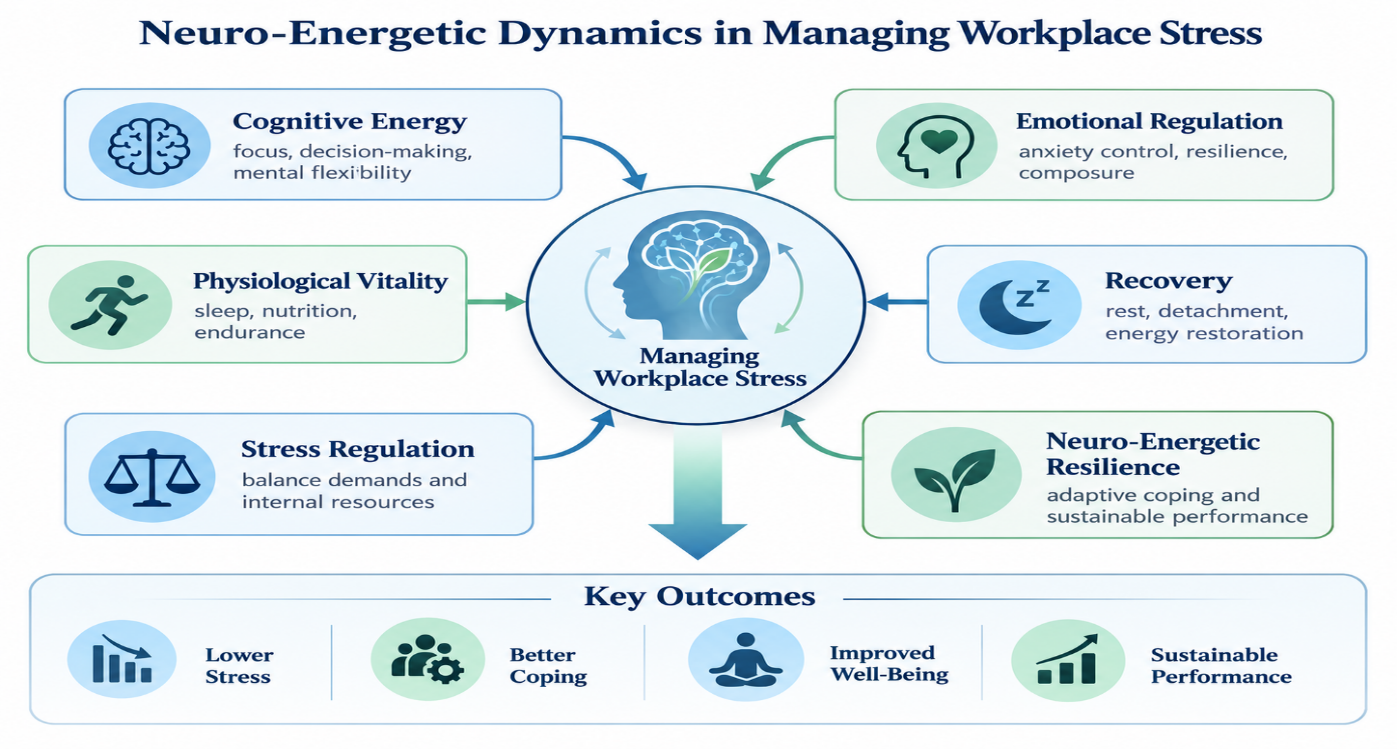
Figure 1: Neuro-Energetic Dynamics in Managing Workplace Stress
Workplace Spirituality as an Outcome of Neuro-Energetic Well-Being#
1. Inner Balance and Spiritual Awareness: Neuro-energetic well-being helps employees maintain cognitive clarity, emotional stability, and physiological balance. Such internal harmony can strengthen self-awareness and allow individuals to experience a deeper sense of purpose and meaning in their professional roles.
2. Meaningful Work and Psychological Energy: Employees with adequate psychological and cognitive energy are more capable of engaging deeply with their work. This energetic stability may enhance the perception that work is meaningful, valuable, and connected with personal growth and broader life goals.
3. Emotional Stability and Sense of Community: Emotional balance supports positive interpersonal relationships, empathy, cooperation, and mutual respect. Employees who experience greater emotional stability are more likely to develop a stronger sense of belonging and community within the workplace.
4. Connectedness and Positive Workplace Relationships: Neuro-energetic well-being can improve employees’ capacity to remain socially engaged and emotionally available to colleagues. This promotes connectedness, trust, supportive relationships, and collective harmony, which are important dimensions of workplace spirituality.
5. Alignment of Personal and Organizational Values: When employees experience psychological well-being and reduced internal strain, they are better positioned to reflect on their values and their relationship with organizational goals. Greater alignment between personal and organizational values may enhance commitment, authenticity, and spiritual fulfilment at work.
6. Neuro-Energetic Well-Being and Spiritual Fulfilment: Balanced cognitive, emotional, and physiological functioning may create favourable conditions for spiritual fulfilment in the workplace. Employees with higher neuro-energetic well-being are more likely to experience inner peace, meaningful work, connectedness, value alignment, and a stronger sense of purpose in their professional lives.
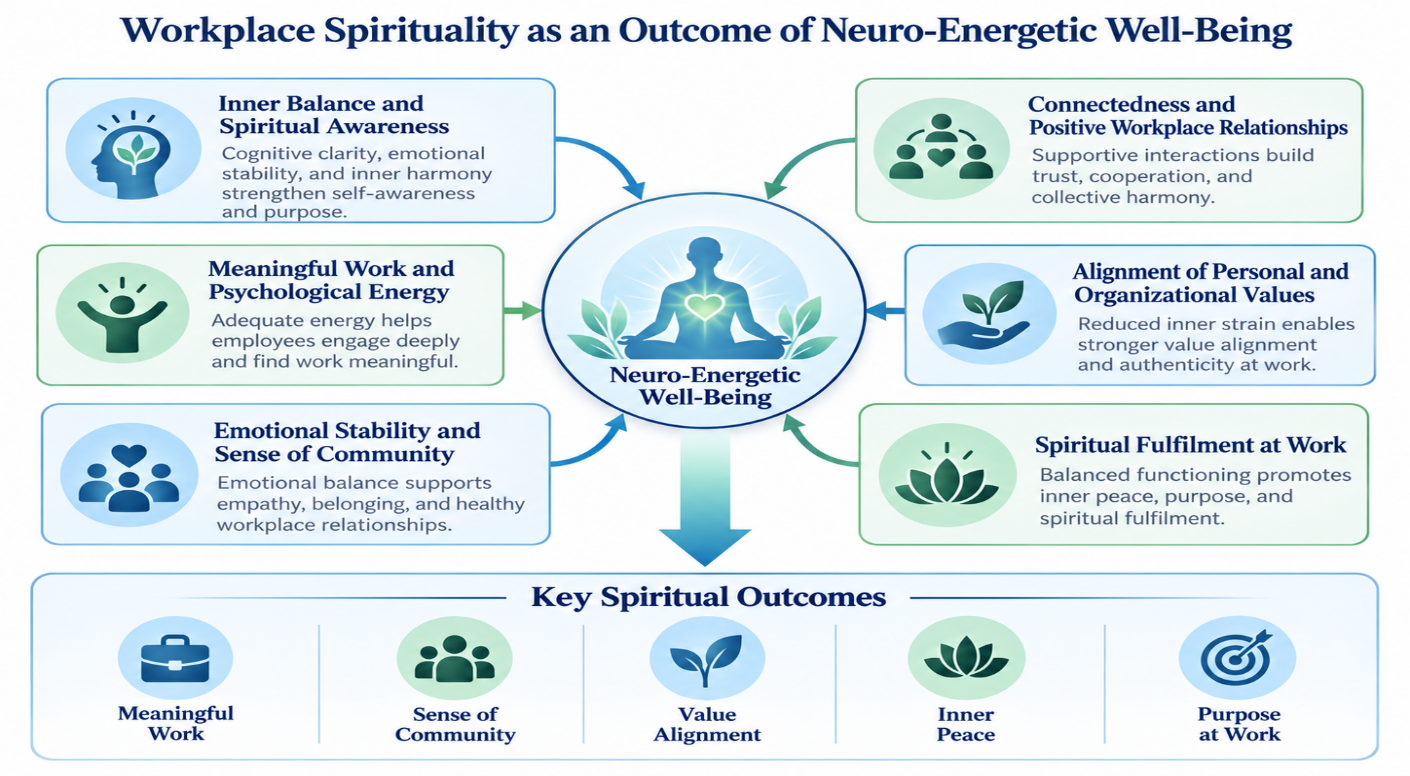
Figure 2: Concept of Workplace Spirituality
5. Integrating Neuro-Energetic Balance, Stress Regulation and Spiritual Well-Being at Work
1. Neuro-Energetic Balance as a Foundational Resource: Neuro-energetic balance reflects the coordinated regulation of cognitive, emotional, and physiological energy. When employees maintain adequate internal resources, they are better able to manage work demands, sustain concentration, and preserve psychological stability during stressful situations.
2. Stress Regulation and Resource Conservation: Effective stress regulation helps employees prevent excessive depletion of mental and emotional resources. Strategies such as emotional control, cognitive reframing, recovery, and relaxation can conserve internal energy and reduce the negative effects of occupational pressure.
3. Meaningful Work and Psychological Stability: A sense of meaning in work can strengthen psychological stability by helping employees perceive their roles as purposeful and personally significant. Employees who connect their work with broader values and goals may experience greater resilience and a more positive response to workplace challenges.
4. Connectedness and Emotional Support: Supportive workplace relationships provide emotional resources that help employees cope with stress. A strong sense of community, trust, and interpersonal connectedness can reduce feelings of isolation and contribute to both emotional balance and spiritual well-being.
5. Recovery, Inner Peace and Spiritual Well-Being: Recovery practices such as adequate rest, psychological detachment, mindfulness, and reflective activities can restore depleted energy and promote inner calm. This restored state may enhance self-awareness, emotional clarity, and a stronger sense of spiritual fulfilment at work.
6. Integrated Well-Being and Sustainable Work Functioning: The integration of neuro-energetic balance, stress regulation, and workplace spirituality can create a more sustainable pattern of employee functioning. Employees who possess adequate energy, effective coping mechanisms, meaningful work, and supportive relationships are more likely to experience lower stress, stronger well-being, greater resilience, and sustained workplace effectiveness.
Conclusion#
The present study highlights the importance of neuro-energetic factors in understanding occupational stress and workplace spirituality. Cognitive energy, emotional regulation, physiological vitality, recovery, and stress-management capacity together influence how employees respond to demanding work conditions. When these internal resources are adequately maintained, employees are more likely to experience lower psychological strain, greater resilience, improved concentration, and healthier emotional functioning. In contrast, prolonged occupational demands and insufficient recovery may contribute to energy depletion, fatigue, emotional exhaustion, and increased stress.Workplace spirituality may further strengthen employee well-being by promoting meaningful work, inner balance, connectedness, value alignment, and a sense of purpose. Neuro-energetic well-being can support these spiritual experiences by creating greater psychological stability and emotional availability. The integration of neuro-energetic balance, effective stress regulation, and workplace spirituality therefore offers a broader framework for understanding sustainable employee functioning. Organizations can support this process through manageable workloads, recovery opportunities, supportive leadership, psychological safety, meaningful work practices, and employee well-being initiatives. Overall, maintaining neuro-energetic balance may not only reduce occupational stress but also promote spiritual fulfilment, resilience, and healthier workplace experiences.
References#
- Alruwayti, H. A., & Sulphey, M. M. (2023). The interconnections of workplace spirituality, mindfulness, subjective well-being, and task performance: A study using structural equation modeling. Problems and Perspectives in Management, 21(4), 617–628. https://doi.org/10.21511/ppm.21(4).2023.46
- Ashmos, D. P., & Duchon, D. (2000). Spirituality at work: A conceptualization and measure. Journal of Management Inquiry, 9(2), 134–145. https://doi.org/10.1177/105649260092008
- Bakker, A. B., & Demerouti, E. (2007). The Job Demands–Resources model: State of the art. Journal of Managerial Psychology, 22(3), 309–328. https://doi.org/10.1108/02683940710733115
- DeHaan, C. R., Bradshaw, E. L., Diaz-Castillo, S., Trautman, T. C., Rigby, C. S., & Ryan, R. M. (2024). Energy in the workplace: Job demands, job resources, and employees’ inner resources as pathways to organizational outcomes. Frontiers in Psychology, 15, 1413901. https://doi.org/10.3389/fpsyg.2024.1413901
- Garg, N. (2017). Workplace spirituality and employee well-being: An empirical exploration. Journal of Human Values, 23(2), 129–147. https://doi.org/10.1177/0971685816689741
- Hobfoll, S. E. (1989). Conservation of resources: A new attempt at conceptualizing stress. American Psychologist, 44(3), 513–524. https://doi.org/10.1037/0003-066X.44.3.513
- Jalan, S., & Garg, N. (2022). Exploring linkages between workplace spirituality and occupational stress among Indian police personnel. South Asian Journal of Human Resources Management, 9(1), 53–78.
- Jin, J. H., & Lee, E. J. (2019). The mediating effect of workplace spirituality on the relation between job stress and job satisfaction of cancer survivors returning to work. International Journal of Environmental Research and Public Health, 16(19), 3510.
- Mahipalan, M., & Sheena, S. (2019). Workplace spirituality, psychological well-being and mediating role of subjective stress: A case of secondary school teachers in India. International Journal of Ethics and Systems, 35(4), 725–739.
- McEwen, B. S. (1998). Protective and damaging effects of stress mediators. The New England Journal of Medicine, 338(3), 171–179. Mittal, A., Mishra, G., & Bishnoi, S. (2024). Workplace spirituality and job satisfaction of higher education teachers in India: Examining occupational stress as a mediator. Business Perspectives and Research, 12(2), 296–314.
- Robina-Ramírez, R., Medina-Merodio, J. A., Estriegana, R., Sánchez-Oro, M., & Castro-Serrano, J. (2021). Stress at work: Can the spiritual dimension reduce it? An approach from the banking sector. Frontiers in Psychology, 12, 715884.
- Saxena, A., Garg, N., Punia, B. K., & Prasad, A. (2020). Exploring role of Indian workplace spirituality in stress management: A study of oil and gas industry. Journal of Organizational Change Management, 33(5), 779–803.
- Singh, V., & Ahuja, D. (2025). Does workplace spirituality and individual spirituality moderate the relationship between job-related tension and job satisfaction? A PLS-SEM approach. Vikalpa: The Journal for Decision Makers, 50(3), 250–269.
- Sode, R., Chenji, K., & Vijayaraghavan, R. (2024). Exploring workplace spirituality, mindfulness, digital technology, and psychological well-being: A complex interplay in organizational contexts. Acta Psychologica, 251, 104601.
- Yadav, S., Tiwari, T., Yadav, A. K., Dubey, N., Mishra, L. K., Singh, A. L., & Kapoor, P. (2022). Role of workplace spirituality, empathic concern and organizational politics in employee wellbeing: A study on police personnel. Frontiers in Psychology, 13, 881675. https://doi.org/10.3389/fpsyg.2022.881675