Abstract
Adolescence is a crucial developmental stage during which family relationships significantly influence emotional well-being, psychological adjustment and social behaviour. The present study aims to examine parent–child interaction as a potential determinant of adolescents’ mental health and social maturity. A quantitative, descriptive and correlational research design is adopted to investigate the relationships among these variables. The study includes a sample of 300 school-going adolescents aged 13–18 years, selected from six Government and Private schools across Ludhiana, Jalandhar and Amritsar districts of Punjab. Equal representation is maintained across the three districts and two school categories. Standardised instruments, including the Parent–Adolescent Relationship Scale, Mental Health Continuum–Short Form and Social Maturity Scale, are employed for data collection. Descriptive statistics, Pearson’s correlation, group-comparison tests and multiple regression analysis are used to examine the relationships and predictive associations among the variables. The study seeks to determine the extent to which parental affection, communication, emotional support and relationship quality are associated with adolescents’ psychological well-being and socially mature behaviour. The investigation is expected to contribute to a better understanding of family influences on adolescent development and provide useful implications for parental guidance, school counselling and educational practices.
- Parent–Child Interaction
- Adolescents
- Mental Health
- Social Maturity
- Parenting
- Psychological Well-Being
Introduction#
Adolescence represents one of the most important transitional stages of human development, characterised by rapid physical, emotional, psychological, cognitive and social changes. During this period, individuals gradually move from childhood dependence towards greater independence, personal identity formation and responsible participation in society. Adolescents experience numerous developmental challenges, including academic expectations, emotional fluctuations, interpersonal difficulties, peer influences and changing family responsibilities. Their ability to adjust effectively to these challenges is influenced by several personal, familial and environmental factors. Among these, the quality of parent–child interaction occupies a particularly important position because parents continue to provide emotional security, behavioural guidance, psychological support and opportunities for learning socially responsible behaviour. Although adolescents increasingly establish relationships outside the family, their emotional connections with parents remain significant for healthy development. Hair et al. (2008) emphasised that positive parent–adolescent relationships continue to be associated with important health and behavioural outcomes during later adolescence. Similarly, Smetana and Rote (2019) observed that parent–adolescent relationships involve complex developmental processes relating to emotional connectedness, parental authority, autonomy, communication and conflict resolution. These perspectives demonstrate the importance of understanding parent–child interaction as a developmental factor associated with adolescents’ psychological well-being and social adjustment.
Parent–child interaction refers to the continuous process of communication, emotional exchange, behavioural guidance, mutual understanding and interpersonal involvement between parents and their children. It encompasses positive aspects such as affection, trust, emotional warmth, parental encouragement, acceptance, cooperation and shared activities, together with potentially negative aspects such as criticism, hostility, rejection, excessive control and unresolved interpersonal conflict. Supportive interaction allows adolescents to express their thoughts, communicate personal concerns, discuss academic difficulties and seek parental guidance during stressful situations. Such experiences may strengthen emotional security, confidence, self-esteem and the capacity to manage everyday challenges. Conversely, emotionally distant relationships, inadequate communication and persistent negative interactions may be associated with difficulties in psychological adjustment and interpersonal functioning. Smetana and Rote (2019) explained that the developmental transformation of parent–adolescent relationships involves a gradual reorganisation of parental authority and adolescent autonomy, rather than a complete withdrawal of parental influence. De Goede et al. (2009) further demonstrated that perceptions of parental support, conflict and authority undergo developmental changes as adolescents become increasingly independent. Therefore, the quality of parent–child interaction should be understood as an evolving relationship that may influence multiple dimensions of adolescent development.
The importance of parent–child interaction can also be explained through established psychological theories. Bowlby’s Attachment Theory (1969) emphasises the significance of emotional bonds between children and their caregivers in developing security, trust and psychological stability. The availability of responsive and supportive parents may provide adolescents with an emotional foundation for managing developmental challenges and establishing relationships with others. Baumrind (1966, 1971) further contributed to the understanding of parenting by identifying authoritative, authoritarian and permissive patterns of parental behaviour. Her work highlighted the importance of considering parental responsiveness, behavioural expectations and opportunities for independent decision-making. These theoretical perspectives suggest that parental affection and guidance are relevant to both emotional development and the acquisition of responsible behaviour. The family environment provides adolescents with opportunities to observe communication patterns, develop interpersonal trust, understand acceptable behaviour and acquire social responsibilities. Consequently, parent–child interaction represents a meaningful developmental context through which adolescents may learn emotional regulation, cooperation, self-direction and constructive interpersonal behaviour.
Mental health constitutes a fundamental dimension of adolescent development because it influences emotional stability, psychological adjustment, self-confidence, personal satisfaction and the ability to maintain meaningful social relationships. Adolescence is a particularly sensitive period for mental well-being because individuals encounter considerable changes in educational demands, social expectations, physical development and personal identity. The World Health Organization estimates that approximately one in seven adolescents aged 10–19 years worldwide experiences a mental health condition, indicating the substantial importance of psychological well-being during this stage of life (World Health Organization, n.d.). However, mental health should not be interpreted merely as the absence of psychological illness. Keyes (2002) conceptualised mental health as a continuum extending from languishing to flourishing, incorporating emotional, psychological and social functioning. This multidimensional perspective was further examined by Yeo and Suárez (2022), who evaluated the Mental Health Continuum–Short Form as a measure of emotional, social and psychological well-being. Accordingly, positive mental health among adolescents includes emotional satisfaction, confidence, meaningful relationships, personal growth, social belonging and the ability to manage responsibilities effectively.
Parent–child interaction may play an important role in adolescents’ mental health by providing emotional reassurance, encouragement, security and constructive guidance. Adolescents who experience supportive family relationships may feel more comfortable communicating emotional concerns, discussing academic stress and seeking assistance during difficult circumstances. Open parental communication may also encourage adaptive coping and contribute to a stronger sense of belonging within the family. In contrast, repeated criticism, persistent conflict and emotional rejection may be associated with increased psychological difficulties. Hair et al. (2008) identified significant relationships between the quality of parent–adolescent relationships and developmental well-being. More recently, Zapf et al. (2024), through a systematic review, examined the association between parent–child communication and adolescent mental health and identified evidence linking communication quality with psychological outcomes. These findings indicate that the emotional and communicative characteristics of family relationships deserve systematic investigation. Nevertheless, the nature and strength of such associations may vary according to adolescents’ personal characteristics, family circumstances and broader social environments. Therefore, the present study considers parent–child interaction as a potential statistical predictor of adolescents’ mental health rather than assuming that family relationships alone determine psychological well-being.
Social maturity represents another essential component of adolescent development and refers to the progressive acquisition of personal responsibility, interpersonal competence, cooperation, self-direction, social adaptability and the capacity to function effectively within society. Socially mature adolescents are generally expected to demonstrate respect for others, awareness of social responsibilities, effective communication, emotional control and the ability to establish constructive interpersonal relationships. Greenberger and Sørensen (1974) conceptualised psychosocial maturity through three broad capacities: functioning adequately as an individual, interacting effectively with others and contributing to social cohesion. These capacities correspond closely with the broader dimensions of personal adequacy, interpersonal adequacy and social adequacy used in the assessment of social maturity. The family provides an important setting in which adolescents learn cooperation, empathy, conflict resolution, mutual respect and socially responsible behaviour. Positive parent–child interaction may encourage adolescents to become more considerate, self-reliant and capable of managing interpersonal situations. De Goede et al. (2009) identified longitudinal associations between adolescents’ relationships with parents and their friendships, suggesting that interaction patterns developed within family relationships may be connected with adolescents’ experiences in wider social environments.
Historical Evolution and Conceptual Foundations of Parent–Child Interaction in Adolescent Development#
The historical evolution of parent–child interaction reflects changing social structures, cultural expectations, educational practices and psychological understandings of childhood and adolescence. Traditionally, the family has served as a primary institution for the transmission of moral values, cultural traditions, social responsibilities and behavioural expectations across generations. In many societies, interactions between parents and children were shaped by family authority, obedience, discipline, collective responsibility and respect for elders. Within the Indian socio-cultural context, family relationships have frequently been associated with intergenerational cooperation, emotional connectedness, moral guidance and the preservation of cultural and spiritual values. Parents have traditionally been regarded as important sources of knowledge, behavioural guidance and social learning, while children have been expected to develop socially acceptable attitudes and fulfil family responsibilities. However, family practices have varied across historical periods, communities, socioeconomic groups and cultural settings. With the expansion of formal education, industrialisation, urbanisation and changing social opportunities, greater attention gradually emerged towards children's emotional needs, individuality, educational development and psychological adjustment. These changes contributed to a broader understanding of parenting as a developmental process involving not only discipline and supervision but also emotional responsiveness, communication and interpersonal understanding.
The emergence of developmental psychology during the late nineteenth and twentieth centuries significantly transformed the scientific understanding of parent–child relationships. Earlier psychological approaches frequently examined children's development in relation to behavioural training, socialisation and the influence of environmental experiences. Over time, developmental researchers increasingly recognised that children actively interpret and respond to their social environments and that family interactions involve reciprocal influences between parents and children. One of the most influential developments was Bowlby’s Attachment Theory (1969), which emphasised the importance of emotional bonds between children and their primary caregivers. Bowlby explained that attachment relationships provide a foundation for emotional security and influence the ways individuals respond to separation, uncertainty and stressful experiences. From a developmental perspective, the presence of responsive and emotionally available caregivers may encourage children to develop trust, confidence and a sense of psychological safety. Although attachment theory initially focused primarily on early childhood, its broader principles remain relevant to adolescence because emotional connectedness with parents may continue to support adjustment, exploration and interpersonal functioning. Thus, attachment theory contributed to the transition from viewing parenting mainly as behavioural control towards recognising the developmental significance of affection, security and emotional relationships.
Another important contribution to the conceptual foundations of parent–child interaction was made by Baumrind (1966, 1971), whose research on parental authority identified different patterns of parenting behaviour. Baumrind distinguished authoritative, authoritarian and permissive parenting styles by examining the relationships between parental expectations, behavioural control and emotional responsiveness. Authoritative parenting involves appropriate guidance, reasonable expectations and supportive communication, whereas authoritarian parenting places stronger emphasis on obedience and parental control. Permissive parenting is generally characterised by greater responsiveness combined with fewer behavioural demands. These distinctions provided a systematic framework for understanding how different approaches to parenting may be associated with children's independence, self-regulation and social behaviour. Baumrind’s research highlighted that effective parenting cannot be explained solely through the presence or absence of discipline; rather, the quality of parental communication, emotional support and behavioural expectations must also be considered. During adolescence, these dimensions become particularly relevant because young people increasingly seek independence while continuing to require parental guidance and emotional reassurance. The interaction between parental responsiveness and adolescent autonomy therefore represents a central element in understanding psychological adjustment and socially responsible behaviour.
The conceptual understanding of parent–child interaction expanded further through ecological and psychosocial perspectives. Bronfenbrenner (1979), through Ecological Systems Theory, explained that human development occurs through interactions between individuals and multiple interconnected environmental systems. Within this framework, the family represents an important immediate developmental environment, while schools, peer groups, communities and broader cultural structures provide additional influences. Parent–child interaction is therefore shaped not only by individual parental behaviour but also by the social, educational and cultural circumstances within which families function. This perspective is particularly important during adolescence because young people increasingly participate in environments beyond the home. Their experiences in schools and peer groups may influence family communication, emotional adjustment and behavioural expectations. Similarly, Greenberger and Sørensen (1974) contributed to the understanding of adolescent development by conceptualising psychosocial maturity through individual adequacy, interpersonal adequacy and the capacity to contribute to social cohesion. Their approach emphasised that successful development involves both personal competence and responsible social functioning. Together, ecological and psychosocial perspectives suggest that parent–child interaction operates within a larger developmental system and may be associated with adolescents’ ability to manage emotions, maintain relationships and participate constructively in society.
During the late twentieth and early twenty-first centuries, research increasingly focused on the changing nature of relationships between parents and adolescents. Rather than considering adolescents as passive recipients of parental instructions, developmental researchers began examining parent–adolescent interaction as a reciprocal process involving negotiation, communication, conflict resolution and increasing autonomy. Adolescents gradually acquire greater decision-making responsibilities, develop independent opinions and establish meaningful relationships with peers. These changes may influence parental expectations and create disagreements concerning personal freedom, academic responsibilities and everyday behaviour. However, the presence of occasional disagreement does not necessarily indicate an unhealthy parent–child relationship. Smetana and Rote (2019) emphasised that adolescent–parent relationships involve changing perceptions of parental authority, emotional connectedness and the management of interpersonal conflict. They also highlighted the importance of distinguishing ordinary developmental disagreements from persistent negative interactions. Similarly, De Goede et al. (2009) examined developmental changes in adolescents’ perceptions of their relationships with parents and identified changes in parental support, conflict and perceived authority over time. These findings strengthened the understanding that parent–child interaction is a dynamic relationship in which both parents and adolescents participate in developmental adjustments.
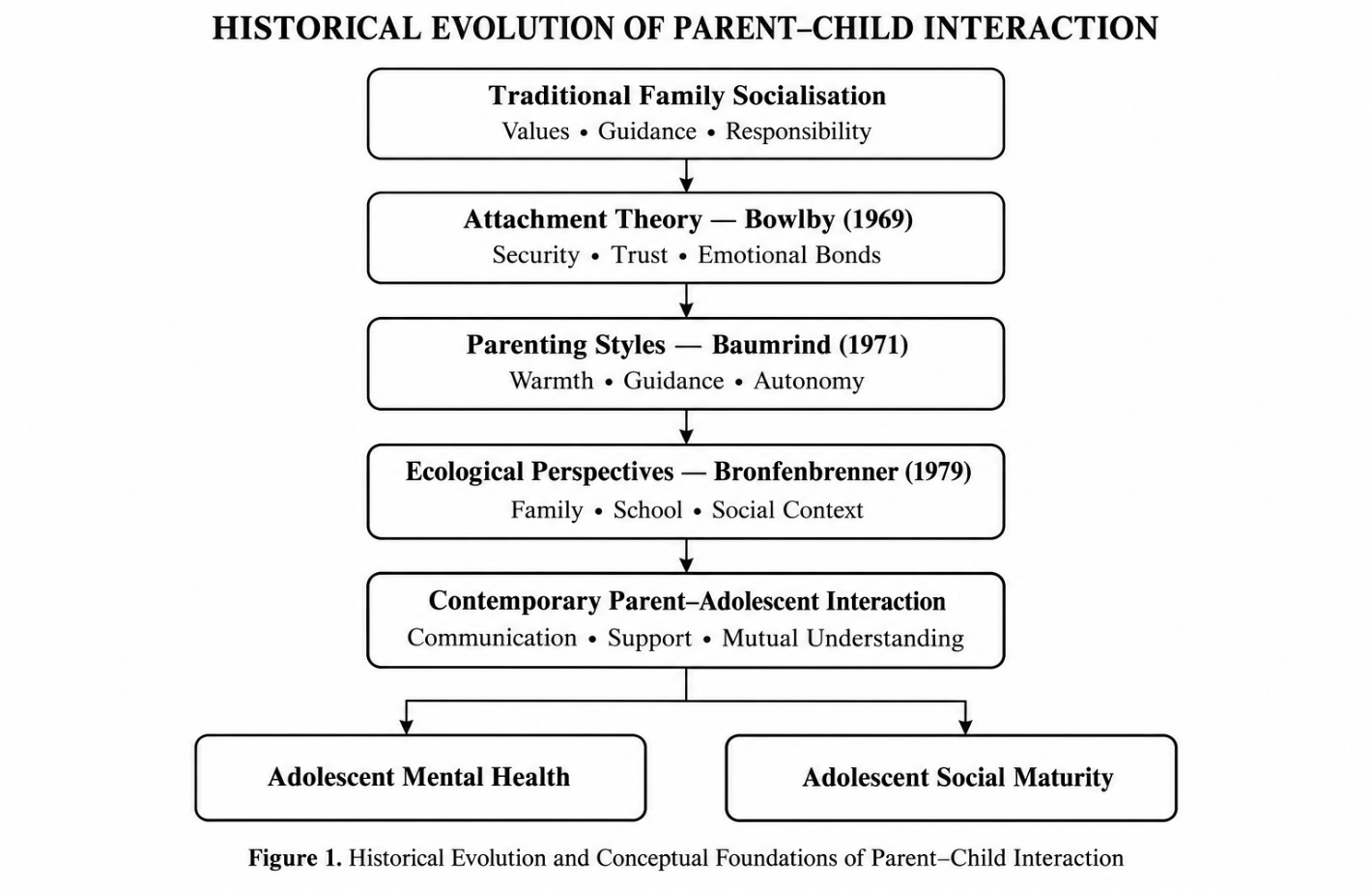
Contemporary research has increasingly connected parent–child interaction with adolescents’ mental health, emotional well-being and social functioning. The quality of parental support, emotional connectedness and communication has become an important area of investigation because adolescence is associated with changing psychological needs and interpersonal experiences. Hair et al. (2008) demonstrated the continuing relevance of positive parent–adolescent relationship quality to developmental outcomes during late adolescence. More recently, Zapf et al. (2024), through a systematic review, examined associations between parent–child communication and adolescent mental health outcomes. Their review reinforced the importance of communication quality in understanding psychological functioning during adolescence. Alongside mental health, social maturity has emerged as another important dimension because adolescents must gradually acquire responsible behaviour, cooperation, interpersonal understanding and the ability to adjust to changing social expectations. De Goede et al. (2009) identified longitudinal linkages between adolescents’ relationships with parents and friendships, suggesting that interpersonal experiences within the family and peer environments are interconnected.
Influence of Parent–Child Interaction on Adolescents’ Mental Health, Emotional Stability and Psychological Well-Being#
Parent–child interaction plays an important role in shaping adolescents’ mental health, emotional stability and psychological well-being because the family provides one of the earliest and most influential environments for emotional and interpersonal development. Adolescence is characterised by significant developmental transitions involving identity formation, academic expectations, increasing independence and changing relationships with parents and peers. During this period, adolescents may encounter emotional difficulties, uncertainty, stress and challenges associated with social adjustment. Supportive relationships with parents may provide emotional reassurance, acceptance, encouragement and guidance, helping adolescents respond constructively to these experiences. Positive parental interactions involving affection, trust and understanding may also contribute to self-confidence, emotional security and a sense of belonging. Hair et al. (2008) highlighted the continuing importance of parent–adolescent relationship quality for developmental well-being and behavioural outcomes during late adolescence. Similarly, Smetana and Rote (2019) emphasised that adolescent–parent relationships involve dynamic processes of emotional closeness, autonomy, communication and conflict resolution. These perspectives suggest that parent–child interaction constitutes an important relational context associated with adolescents’ psychological adjustment and overall mental well-being.
Emotional stability is a significant component of adolescent mental health and refers to the ability to recognise, regulate and express emotions appropriately while maintaining psychological balance during challenging circumstances. Adolescents who experience emotional warmth, acceptance and consistent support from parents may develop greater confidence in managing disappointment, frustration, academic pressure and interpersonal difficulties. The theoretical foundations of this relationship can be understood through Bowlby’s Attachment Theory (1969), which emphasises the importance of secure emotional bonds between children and their caregivers. Attachment relationships provide an important basis for developing trust, emotional security and confidence in seeking support during stressful experiences. The relevance of attachment continues during adolescence, although the nature of the relationship changes as young people acquire greater independence. Research concerning secure-base relationships has examined how parental emotional availability may support adolescents’ exploration and adjustment when facing developmental challenges. Consequently, emotionally responsive parenting may be associated with greater psychological security and adaptive emotional regulation, whereas persistent rejection, inconsistent responsiveness and emotionally distant interactions may contribute to difficulties in emotional adjustment. However, the impact of parental interaction may differ according to adolescents’ individual characteristics and the wider family environment.
Communication represents another essential dimension through which parent–child interaction may be associated with adolescents’ mental health and psychological well-being. Effective communication enables adolescents to express personal feelings, discuss academic difficulties, seek guidance regarding peer relationships and communicate concerns about their future. When parents listen patiently, acknowledge adolescents’ emotions and respond without excessive criticism, young people may feel more comfortable sharing their experiences and requesting assistance. Open communication can therefore provide opportunities for emotional reassurance, mutual understanding and constructive problem-solving. In contrast, repeated criticism, dismissive responses and ineffective communication may discourage emotional expression and contribute to interpersonal tension. Zapf et al. (2024), in a systematic review of 37 reports representing 26 studies, examined associations between parent–child communication quality and adolescent mental health outcomes. The review identified parent–child communication as an important variable in adolescent mental health research. These findings reinforce the need to examine not only the frequency of parent–child communication but also its emotional quality, openness and perceived supportiveness. Accordingly, adolescents’ perceptions of parental communication may provide meaningful information regarding their emotional experiences and psychological functioning.
Parenting behaviour and the management of family relationships may also be associated with adolescents’ emotional adjustment, self-esteem and ability to cope with developmental stress. Baumrind’s work on parenting styles (1966, 1971) highlighted differences in parental responsiveness, behavioural expectations and the degree of autonomy provided to children. Parenting characterised by emotional warmth, reasonable expectations and constructive guidance may offer adolescents opportunities to develop independence while maintaining a sense of security and family support. Excessively controlling or harsh interpersonal behaviour, particularly when accompanied by inadequate emotional responsiveness, may create difficulties in communication and psychological adjustment. Nevertheless, the relationship between parenting practices and adolescent well-being is complex and cannot be explained through parental control alone. Smetana and Rote (2019) observed that parent–adolescent relationships involve changing perceptions of legitimate parental authority and increasing negotiation of autonomy. Ordinary disagreements about personal preferences and daily responsibilities may be part of adolescent development, whereas intense or persistent conflict may have different implications. Thus, the emotional context in which parental guidance, discipline and expectations are communicated is important for understanding adolescents’ emotional stability and psychological well-being.
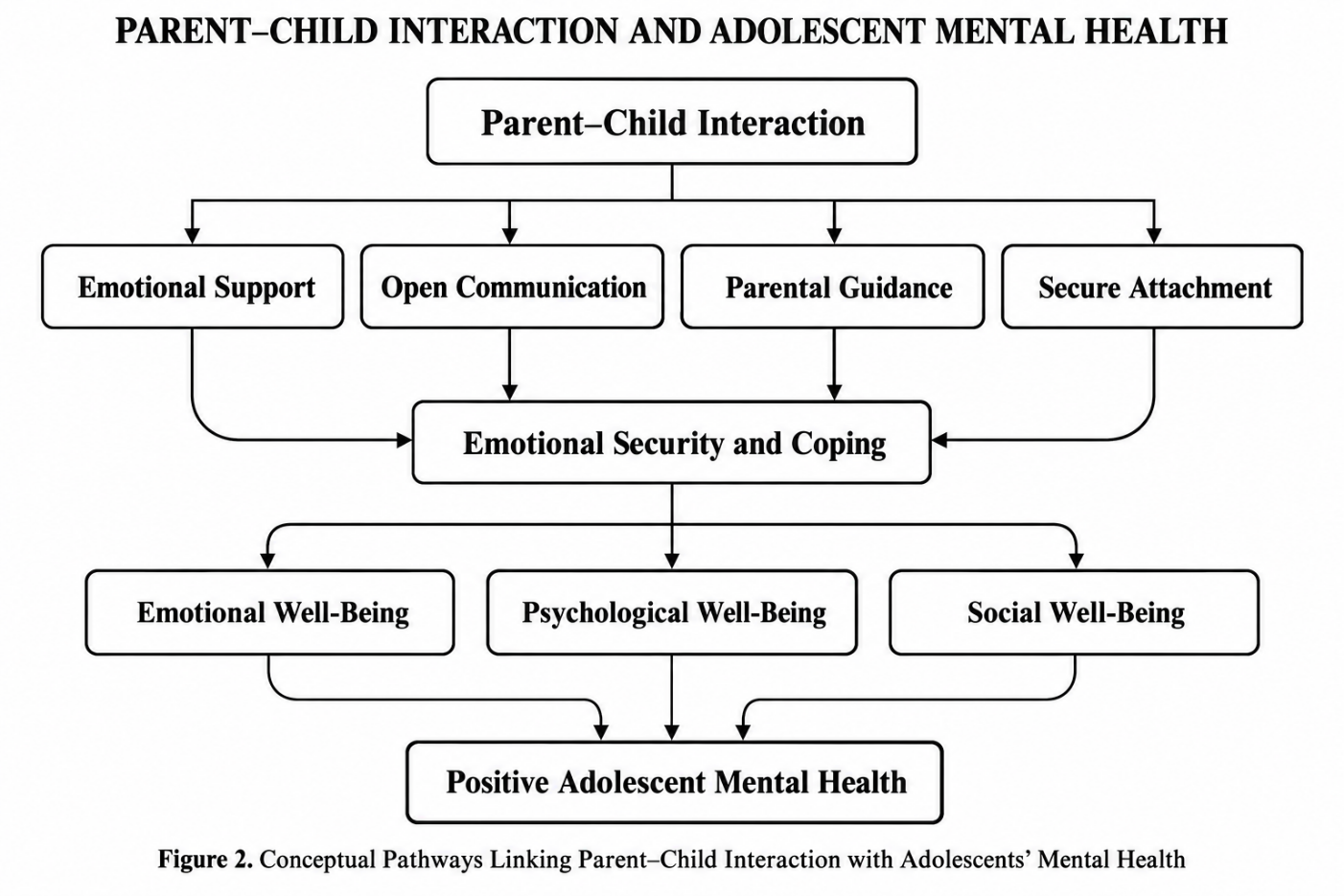
Psychological well-being encompasses positive self-evaluation, personal growth, independence, meaningful relationships, purpose in life and the ability to manage everyday responsibilities. It represents a broader concept than the mere absence of psychological disorders. Keyes (2002) proposed a multidimensional understanding of positive mental health involving emotional, psychological and social well-being. Emotional well-being includes positive feelings and satisfaction with life, psychological well-being concerns effective personal functioning, and social well-being reflects positive relationships with and participation in society. These dimensions provide a useful framework for examining how parent–child interaction may relate to adolescents’ overall mental health. Yeo and Suárez (2022) examined the psychometric properties of the Mental Health Continuum–Short Form, which assesses these three dimensions through a standardised measurement approach. Within this framework, supportive parent–child interaction may be associated with greater emotional satisfaction, psychological confidence, positive self-perception and social connectedness. Parental encouragement may help adolescents develop confidence in their abilities, while mutual respect and understanding may contribute to feelings of acceptance and personal worth. However, positive mental health is shaped by several interacting influences, and the contribution of parental interaction must be evaluated alongside other developmental and environmental factors.
The relationship between parent–child interaction and adolescents’ mental health has particular relevance in contemporary educational and socio-cultural environments. Adolescents increasingly encounter academic competition, peer expectations, digital communication, changing family routines and pressures associated with educational and career decisions. These circumstances may generate emotional challenges that require effective coping strategies and supportive interpersonal relationships. Parents can contribute to adolescents’ adjustment by encouraging open discussion, recognising emotional difficulties, providing appropriate guidance and supporting independent decision-making. Positive family relationships may also strengthen cooperation between parents and educational institutions in identifying psychological concerns and promoting adolescent well-being. In the context of Punjab, differences in family circumstances, educational opportunities and school environments make it important to investigate these relationships systematically rather than assume that all adolescents experience similar parental support. The present study examines parent–child interaction and mental health among 300 school-going adolescents aged 13–18 years from Government and Private schools in Ludhiana, Jalandhar and Amritsar districts. By analysing adolescents’ perceptions of parent–child relationships alongside emotional, psychological and social well-being, the investigation seeks to identify the nature and strength of their statistical associations. The study may provide useful implications for parental guidance, school counselling, family–school collaboration and educational practices designed to support adolescents’ emotional stability and psychological development.
Role of Parent–Child Interaction in Developing Social Maturity, Interpersonal Competence and Responsible Social Behaviour among Adolescents#
Social maturity represents an essential dimension of adolescent development and refers to the progressive acquisition of personal responsibility, interpersonal understanding, cooperation, social adaptability and the ability to behave appropriately within different social environments. During adolescence, individuals gradually develop the capacity to make independent decisions, fulfil social responsibilities, understand others’ perspectives and establish meaningful relationships with family members, peers and the wider community. The family plays an important role in this developmental process because parent–child interaction provides early opportunities for learning socially acceptable behaviour, emotional regulation, mutual respect and responsible decision-making. Supportive parental relationships may encourage adolescents to develop self-confidence, empathy, cooperation and the ability to manage interpersonal situations effectively. Greenberger and Sørensen (1974) conceptualised psychosocial maturity through three fundamental capacities: functioning adequately as an individual, interacting appropriately with others and contributing constructively to society. Their perspective highlights that maturity involves not only personal independence but also interpersonal competence and social responsibility. Consequently, parent–child interaction can be considered an important relational context associated with adolescents’ ability to acquire and demonstrate socially mature behaviour.
The family serves as a primary environment for socialisation in which adolescents learn attitudes, values, behavioural expectations and interpersonal responsibilities through everyday experiences. Parents communicate social expectations through verbal instructions, personal examples, shared activities, encouragement and responses to children's behaviour. Adolescents may learn cooperation, honesty, respect, patience and responsibility by observing how parents communicate with family members and manage ordinary social situations. When parents demonstrate empathy, fairness and constructive problem-solving, they provide examples of behaviour that adolescents may apply in their relationships with others. Conversely, frequent hostility, harsh criticism and ineffective conflict management may expose adolescents to less constructive patterns of interpersonal interaction. Baumrind (1966, 1971) emphasised the significance of parental responsiveness and behavioural expectations in understanding children's social and behavioural development. Her work suggests that parental guidance accompanied by emotional support and reasonable expectations may be particularly relevant to the development of self-regulation and responsible conduct. Thus, the quality of interaction within the family may be associated with adolescents’ understanding of social norms, behavioural responsibilities and appropriate interpersonal relationships.
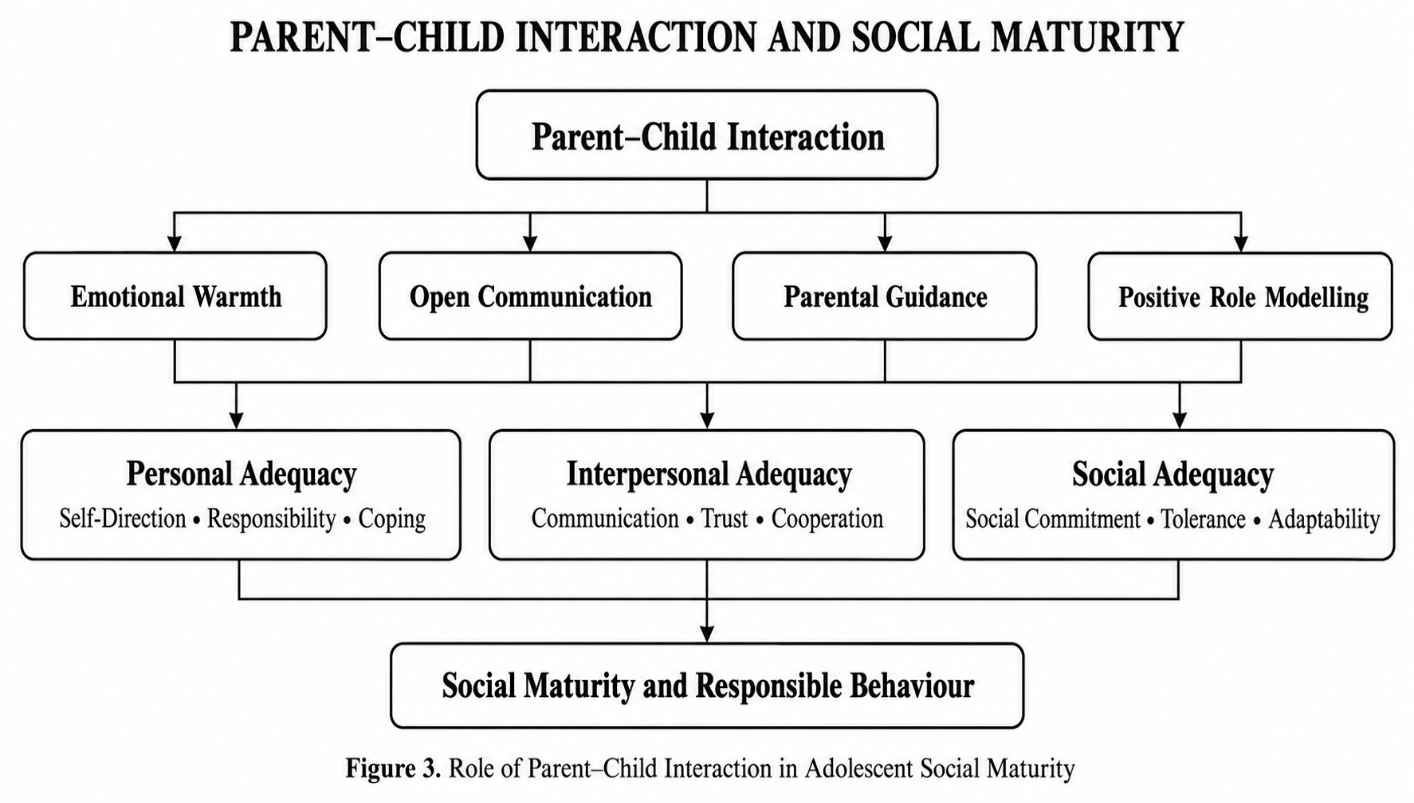
Interpersonal competence is a central component of social maturity and involves the ability to communicate effectively, understand others’ feelings, establish trust, cooperate with peers and manage disagreements constructively. Parent–child interaction provides an important setting in which adolescents practise these interpersonal skills. Open communication enables adolescents to express opinions, negotiate differences, listen to alternative perspectives and understand the consequences of their behaviour. When parents encourage discussion and acknowledge adolescents’ viewpoints, young people may become more confident in expressing their ideas while respecting the opinions of others. Positive family communication may also promote cooperation, mutual understanding and the capacity to develop emotionally supportive relationships beyond the home. Smetana and Rote (2019) explained that adolescent–parent relationships involve developmental changes in communication, conflict resolution and the legitimacy of parental authority. Their observations indicate that increasing adolescent autonomy requires adjustments in the ways parents and children negotiate responsibilities and interpersonal boundaries. Consequently, effective parent–child communication may be associated with the development of interpersonal confidence, constructive disagreement management and social adaptability.
The development of personal independence and responsible decision-making represents another important aspect of adolescent social maturity. As adolescents progress towards adulthood, they increasingly encounter situations requiring self-direction, emotional control, accountability and independent judgement. Parents may support these developing competencies by providing age-appropriate responsibilities, encouraging participation in family decisions and explaining the reasons behind behavioural expectations. Such experiences may help adolescents understand the relationship between personal freedom and social responsibility. However, independence does not necessarily require emotional separation from parents; rather, healthy autonomy may develop alongside continued parental support and mutual respect. De Goede et al. (2009) examined developmental changes in adolescents’ perceptions of parental support, conflict and authority, demonstrating that parent–adolescent relationships evolve as young people become increasingly independent. Similarly, Smetana and Rote (2019) highlighted the importance of balancing autonomy with parental guidance. These perspectives suggest that supportive interaction may provide adolescents with opportunities to develop self-direction, responsible behaviour and the capacity to make decisions while considering their consequences for others.
The influence of parent–child interaction on social maturity may also extend to adolescents’ relationships with peers, classmates, teachers and other members of society. During adolescence, friendships become increasingly important sources of emotional support, social learning and interpersonal experience. Nevertheless, the quality of relationships established within the family may continue to be associated with adolescents’ behaviour in these wider social environments. De Goede et al. (2009), through longitudinal research, identified bidirectional relationships between adolescents’ perceptions of parent–adolescent relationships and their friendships. Their findings suggested that interpersonal experiences within family relationships may be reflected in friendships, while experiences with peers may also influence adolescents’ relationships with parents. This reciprocal relationship is important because social maturity develops through participation in multiple social settings rather than through family interaction alone. Adolescents who develop constructive communication and cooperation skills within the family may be better prepared to maintain supportive friendships, manage peer disagreements and participate responsibly in group activities. However, peer relationships, school experiences and individual characteristics also contribute to social development and must be considered when interpreting the role of parental interaction.
Responsible social behaviour includes empathy, cooperation, helpfulness, tolerance, respect for others and willingness to contribute positively to the social environment. These characteristics are closely associated with the broader concept of prosocial behaviour, which involves voluntary actions intended to benefit other individuals or groups. Parent–child interaction may be relevant to prosocial development because parental warmth, emotional support and constructive guidance provide opportunities for adolescents to understand the feelings and needs of others. Yoo et al. (2013), in a longitudinal investigation, examined parental behaviour, balanced parent–child connectedness, empathy and prosocial behaviour among adolescents. Their findings suggested that a relationship combining emotional closeness with opportunities for autonomy may be associated with the development of empathy and prosocial behaviour over time. Similarly, longitudinal research examining parenting practices, peer attachment and adolescent behaviour has identified associations between supportive parenting and prosocial development. These findings indicate that socially responsible behaviour may be encouraged through family environments characterised by emotional connectedness, communication and appropriate guidance. Nevertheless, the development of prosocial characteristics remains a complex process influenced by both familial and wider social experiences.
In contemporary educational settings, the development of social maturity has considerable significance because adolescents are expected to demonstrate cooperation, self-discipline, social awareness, respect for diversity and responsible participation in academic and community activities. The changing nature of family routines, digital communication, peer relationships and educational expectations creates additional opportunities and challenges for interpersonal development. Parents can contribute to adolescents’ social adjustment by encouraging respectful communication, providing opportunities for independent decision-making, supporting constructive friendships and modelling socially responsible behaviour. Within the socio-cultural context of Punjab, differences in family backgrounds, parenting practices, educational opportunities and school environments make it important to investigate these relationships systematically. The present study examines parent–child interaction and social maturity among 300 school-going adolescents aged 13–18 years from Government and Private schools in Ludhiana, Jalandhar and Amritsar districts.
Interrelationship Between Parent–Child Interaction, Mental Health and Social Maturity: Contemporary Challenges, Educational Implications and Future Perspectives#
Parent–child interaction, adolescent mental health and social maturity are closely interconnected dimensions of human development that collectively influence adolescents’ emotional adjustment, interpersonal relationships and responsible participation in society. Adolescence represents a transitional period during which individuals experience substantial physical, psychological, emotional and social changes. During this developmental stage, the family continues to function as an important source of emotional security, social guidance and behavioural regulation. Positive parent–child interaction, characterised by affection, mutual respect, trust, acceptance and effective communication, may contribute to psychological well-being and the development of socially appropriate behaviour. Adolescents who experience supportive relationships with their parents are generally better positioned to express emotions, manage interpersonal conflicts, develop self-confidence and establish meaningful relationships with peers. Smetana and Rote (2019) emphasised that adolescent–parent relationships undergo significant developmental changes involving autonomy, communication, parental authority and conflict resolution. Similarly, Ratliff et al. (2023) highlighted the importance of parental acceptance, openness and emotional responsiveness in supporting adolescents’ emotional regulation and adjustment. Therefore, parent–child interaction provides an important developmental context through which emotional well-being and social maturity may become interconnected.
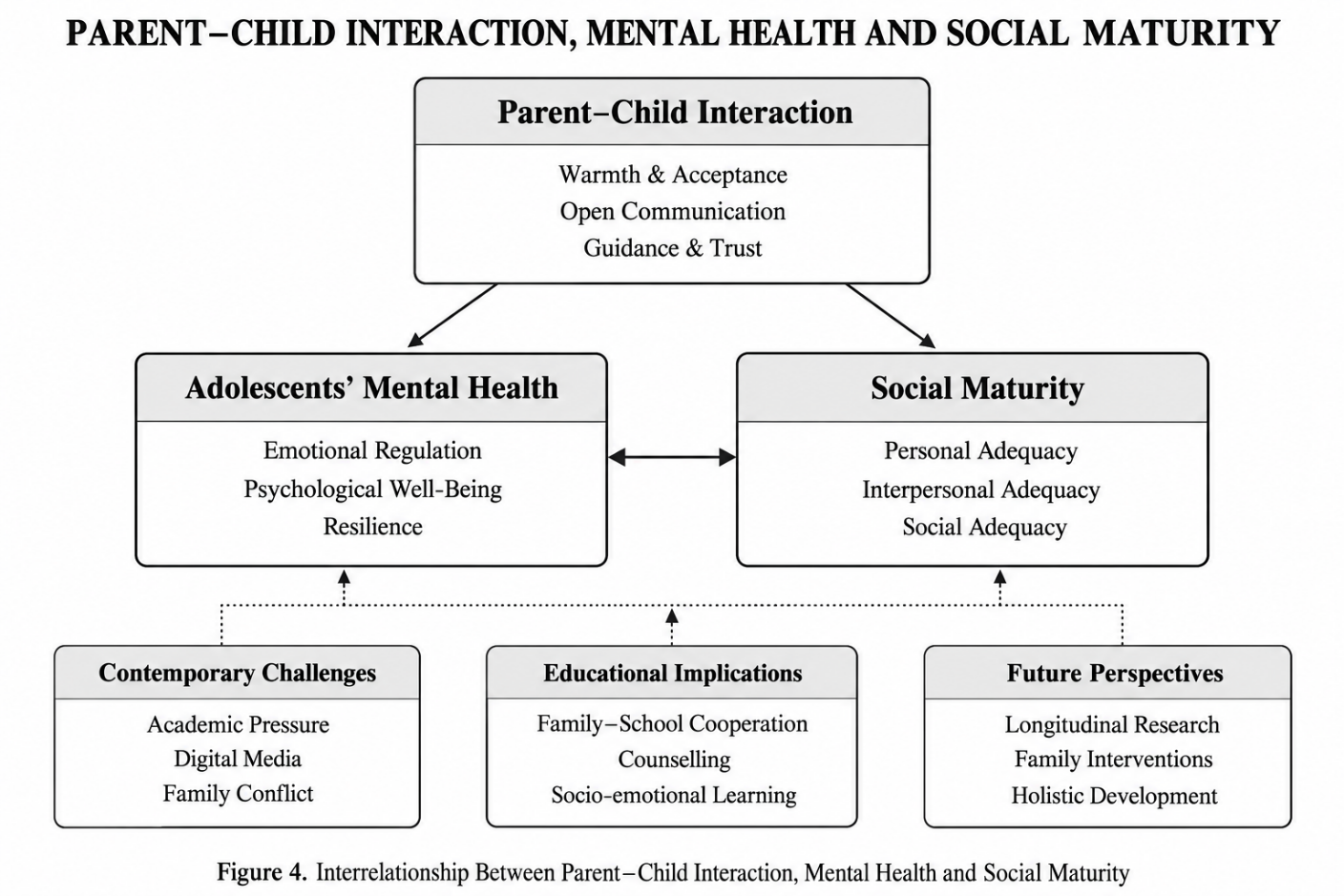
The relationship between adolescents’ mental health and social maturity is particularly important because emotional well-being can influence the manner in which individuals perceive social situations, respond to challenges and participate in interpersonal relationships. Adolescents experiencing positive mental health may demonstrate greater emotional stability, confidence, empathy, cooperation and adaptability in different social environments. Conversely, persistent anxiety, emotional insecurity, psychological distress and difficulties in emotional regulation may interfere with social participation, communication and responsible decision-making. Social maturity involves the development of personal adequacy, interpersonal adequacy and social adequacy, enabling adolescents to fulfil responsibilities, establish constructive relationships and adjust effectively to social expectations. Parent–child interaction may contribute to these developmental outcomes by providing opportunities for emotional expression, behavioural learning and constructive conflict resolution. Boele et al. (2019), through a multilevel meta-analysis, reported positive associations between the quality of parent–child relationships and adolescent empathy, demonstrating the importance of supportive relationships for socio-emotional development. These findings suggest that adolescents’ psychological well-being and social competence should be understood as related developmental outcomes rather than completely independent characteristics.
Contemporary social transformations have introduced several challenges that may influence the quality of parent–child interaction and adolescents’ developmental adjustment. Increasing academic competition, examination-related pressure, excessive engagement with digital devices, changing family structures, parental occupational commitments and exposure to social media may affect opportunities for meaningful communication between parents and adolescents. The growing influence of peer groups and digital platforms may also create differences between parental expectations and adolescents’ personal preferences, resulting in disagreements concerning independence, privacy, educational choices and social behaviour. When such differences are accompanied by excessive criticism, psychological control or ineffective communication, adolescents may experience emotional distress and difficulties in social adjustment. However, the influence of these factors varies across families, and digital communication can also provide opportunities for maintaining supportive relationships. The World Health Organization (2025) identified family relationships, peer pressures, adverse experiences and social environments as important considerations in adolescent mental health. Furthermore, Zapf et al. (2024) demonstrated the relevance of parent–child communication quality to adolescent mental health. These perspectives underline the need to understand how contemporary family circumstances and communication patterns relate to adolescents’ psychological and social development.
The educational implications of the interrelationship between parent–child interaction, mental health and social maturity are significant because schools provide an important environment in which adolescents develop emotional, behavioural and interpersonal competencies. Educational institutions should recognise that academic achievement alone does not represent the complete development of an adolescent. Students also require emotional stability, social responsibility, cooperation, empathy, self-discipline and effective communication skills. Schools may promote these qualities through counselling services, socio-emotional learning programmes, parent–teacher interaction, peer-support activities, classroom discussions and structured opportunities for cooperative learning. Regular communication between parents and teachers may facilitate the early identification of emotional difficulties, behavioural concerns and problems associated with social adjustment. Parenting-awareness programmes can encourage supportive discipline, active listening, realistic academic expectations and age-appropriate autonomy. The World Health Organization (2025) recommends strengthening emotional regulation, coping skills, supportive relationships and school-based mental health promotion as important components of adolescent well-being. Accordingly, educational institutions can contribute to adolescents’ holistic development by creating environments in which emotional support and social competence receive attention alongside academic learning.
The present study is particularly relevant to the educational and social context of Punjab, where adolescents experience varied family circumstances, educational opportunities and social expectations. The investigation focuses on 300 school-going adolescents aged 13–18 years selected from Government and Private schools in Ludhiana, Jalandhar and Amritsar districts. The inclusion of different districts and school categories provides an opportunity to examine the associations between parent–child interaction, mental health and social maturity across selected educational environments. Family communication, emotional warmth, parental guidance, mutual trust and behavioural expectations constitute important aspects of parent–child interaction that may be associated with adolescents’ emotional well-being and social adjustment. The study also recognises that individual characteristics, family circumstances, socioeconomic conditions, peer relationships and school environments may influence these associations. Consequently, the proposed analysis seeks to determine whether variations in parent–child interaction are statistically associated with differences in adolescents’ mental health and social maturity. Such an investigation may contribute context-specific evidence to the existing literature and help identify areas in which parents, teachers and school counsellors could provide additional developmental support.
Conclusion#
The present study, highlights the importance of family relationships in understanding the emotional, psychological and social development of adolescents. Adolescence is a crucial developmental stage during which individuals experience changes in their emotions, behaviour, identity, independence and interpersonal relationships. During this period, positive parent–child interaction may provide emotional security, psychological support, behavioural guidance and opportunities for developing responsible social behaviour. Affection, mutual trust, effective communication, parental acceptance and constructive discipline are important characteristics of supportive family relationships. Existing research suggests that positive parent–adolescent relationships are associated with emotional regulation, psychological well-being and healthier social adjustment (Smetana & Rote, 2019; Ratliff et al., 2023). Therefore, understanding the quality of parent–child interaction is essential for examining adolescents’ mental health and social maturity within their broader developmental environment.
Works Cited#
Ainsworth, M. D. S., Blehar, M. C., Waters, E., & Wall, S. (1978). Patterns of attachment: A psychological study of the strange situation. Lawrence Erlbaum Associates.
Barber, B. K. (1996). Parental psychological control: Revisiting a neglected construct. Child Development, 67(6), 3296–3319. https://doi.org/10.1111/j.1467-8624.1996.tb01915.x
Baumrind, D. (1966). Effects of authoritative parental control on child behavior. Child Development, 37(4), 887–907. https://doi.org/10.2307/1126611
Baumrind, D. (1971). Current patterns of parental authority. Developmental Psychology, 4(1, Pt. 2), 1–103. https://doi.org/10.1037/h0030372
Bi, X., Yang, Y., Li, H., Wang, M., Zhang, W., & Deater-Deckard, K. (2018). Parenting styles and parent–adolescent relationships: The mediating roles of behavioral autonomy and parental authority. Frontiers in Psychology, 9, Article 2187. https://doi.org/10.3389/fpsyg.2018.02187
Boele, S., Van der Graaff, J., de Wied, M., Van der Valk, I. E., Crocetti, E., & Branje, S. (2019). Linking parent–child and peer relationship quality to empathy in adolescence: A multilevel meta-analysis. Journal of Youth and Adolescence, 48, 1033–1055. https://doi.org/10.1007/s10964-019-00993-5
Bowlby, J. (1969). Attachment and loss: Vol. 1. Attachment. Basic Books.
Branje, S. (2018). Development of parent–adolescent relationships: Conflict interactions as a mechanism of change. Child Development Perspectives, 12(3), 171–176. https://doi.org/10.1111/cdep.12278
Bronfenbrenner, U. (1979). The ecology of human development: Experiments by nature and design. Harvard University Press.
Darling, N., & Steinberg, L. (1993). Parenting style as context: An integrative model. Psychological Bulletin, 113(3), 487–496. https://doi.org/10.1037/0033-2909.113.3.487
De Goede, I. H. A., Branje, S. J. T., & Meeus, W. H. J. (2009). Developmental changes in adolescents’ perceptions of relationships with their parents. Journal of Youth and Adolescence, 38(1), 75–88. https://doi.org/10.1007/s10964-008-9286-7
De Goede, I. H. A., Branje, S. J. T., Delsing, M. J. M. H., & Meeus, W. H. J. (2009). Linkages over time between adolescents’ relationships with parents and friends. Journal of Youth and Adolescence, 38(10), 1304–1315. https://doi.org/10.1007/s10964-009-9403-2
Greenberger, E., & Sørensen, A. B. (1974). Toward a concept of psychosocial maturity. Journal of Youth and Adolescence, 3(4), 329–358. https://doi.org/10.1007/BF02214746
Hair, E. C., Moore, K. A., Garrett, S. B., Ling, T., & Cleveland, K. (2008). The continued importance of quality parent–adolescent relationships during late adolescence. Journal of Research on Adolescence, 18(1), 187–200. https://doi.org/10.1111/j.1532-7795.2008.00556.x
Kerr, M., & Stattin, H. (2010). A reinterpretation of parental monitoring in longitudinal perspective. Journal of Research on Adolescence, 20(1), 39–64. https://doi.org/10.1111/j.1532-7795.2009.00623.x
Keyes, C. L. M. (2002). The mental health continuum: From languishing to flourishing in life. Journal of Health and Social Behavior, 43(2), 207–222. https://doi.org/10.2307/3090197
Keyes, C. L. M. (2006). Mental health in adolescence: Is America’s youth flourishing? American Journal of Orthopsychiatry, 76(3), 395–402. https://doi.org/10.1037/0002-9432.76.3.395
Lamers, S. M. A., Westerhof, G. J., Bohlmeijer, E. T., ten Klooster, P. M., & Keyes, C. L. M. (2011). Evaluating the psychometric properties of the Mental Health Continuum–Short Form (MHC-SF). Journal of Clinical Psychology, 67(1), 99–110. https://doi.org/10.1002/jclp.20741
Morris, A. S., Silk, J. S., Steinberg, L., Myers, S. S., & Robinson, L. R. (2007). The role of the family context in the development of emotion regulation. Social Development, 16(2), 361–388. https://doi.org/10.1111/j.1467-9507.2007.00389.x
Ratliff, E. L., Morris, A. S., Cui, L., Jespersen, J. E., Silk, J. S., & Criss, M. M. (2023). Supportive parent-adolescent relationships as a foundation for adolescent emotion regulation and adjustment. Frontiers in Psychology, 14, Article 1193449. https://doi.org/10.3389/fpsyg.2023.1193449
Smetana, J. G. (2011). Adolescents, families, and social development: How teens construct their worlds. Wiley-Blackwell. https://doi.org/10.1002/9781444390896
Smetana, J. G., & Rote, W. M. (2019). Adolescent–parent relationships: Progress, processes, and prospects. Annual Review of Developmental Psychology, 1, 41–68. https://doi.org/10.1146/annurev-devpsych-121318-084903
Soenens, B., & Vansteenkiste, M. (2010). A theoretical upgrade of the concept of parental psychological control: Proposing new insights on the basis of self-determination theory. Developmental Review, 30(1), 74–99. https://doi.org/10.1016/j.dr.2009.11.001
Stafford, M., Kuh, D. L., Gale, C. R., Mishra, G., & Richards, M. (2016). Parent–child relationships and offspring’s positive mental wellbeing from adolescence to early older age. The Journal of Positive Psychology, 11(3), 326–337. https://doi.org/10.1080/17439760.2015.1081971
Stattin, H., & Kerr, M. (2000). Parental monitoring: A reinterpretation. Child Development, 71(4), 1072–1085. https://doi.org/10.1111/1467-8624.00210
Steinberg, L., Elmen, J. D., & Mounts, N. S. (1989). Authoritative parenting, psychosocial maturity, and academic success among adolescents. Child Development, 60(6), 1424–1436. https://doi.org/10.1111/j.1467-8624.1989.tb04014.x
Steinberg, L. (2001). We know some things: Parent–adolescent relationships in retrospect and prospect. Journal of Research on Adolescence, 11(1), 1–19. https://doi.org/10.1111/1532-7795.00001
United Nations Children’s Fund. (2021). The state of the world’s children 2021: On my mind—Promoting, protecting and caring for children’s mental health. https://www.unicef.org/reports/state-worlds-children-2021