Abstract
The present study, aims to examine how different socio-demographic characteristics are associated with variations in parent–child relationship and mental health among school-going children. The study focuses on selected factors such as age, gender, type of school, family type, parental education, parental occupation, and family income. A quantitative and comparative research approach will be adopted, and data will be collected from school-going children in Ludhiana, Punjab, through standardized tools for assessing parent–child relationship and mental health along with a socio-demographic information schedule.
- Socio-Demographic Factors
- Parent–Child Relationship
- Mental Health
- School-Going Children
- ANOVA
- Ludhiana
- Punjab
Introduction#
Childhood and adolescence are crucial stages of human development during which emotional stability, behavioural patterns, social competence, self-concept, and coping abilities gradually take shape. School-going children experience continuous changes in their academic, social, emotional, and family environments, and these experiences can have a lasting influence on their overall mental health. Mental health during these years is not merely the absence of psychological problems; rather, it includes emotional well-being, the ability to manage stress, maintain healthy relationships, perform effectively in school, and adapt to changing social situations. The World Health Organization emphasizes that family, school, and community environments are important determinants of children’s and adolescents’ mental well-being, while harsh parenting, family difficulties, violence, and socioeconomic disadvantage may increase vulnerability to mental-health problems (World Health Organization, 2025).
Among the various environmental influences affecting children, the parent–child relationship occupies a central position. Parents generally constitute the child’s earliest and most enduring source of emotional security, guidance, discipline, communication, and social learning. A relationship characterized by warmth, trust, acceptance, open communication, emotional availability, and appropriate supervision can provide children with a secure base for developing confidence and psychological resilience. In contrast, persistent conflict, rejection, excessive control, lack of emotional responsiveness, and poor communication may contribute to emotional and behavioural difficulties. Contemporary research has also demonstrated that the quality of parent–child communication is meaningfully associated with different dimensions of adolescent mental health, suggesting that family communication can function as an important protective or risk-related factor (Zapf et al., 2023). Supportive interpersonal relationships are therefore increasingly recognized as an important foundation for psychological well-being during the transition from childhood to adolescence (Branje, 2024).
At the same time, parent–child relationships and children’s mental health do not develop independently of the socio-demographic environment in which families live. Factors such as age, gender, type of school, family structure, parental education, parental occupation, and family income may influence the resources available within the family, parental expectations, communication styles, opportunities for education, exposure to stress, and the overall quality of the child’s developmental environment. For example, parental education may affect awareness regarding children’s emotional and academic needs, while occupation and income may shape economic security, parental availability, educational opportunities, and exposure to family stress. Family type may also influence patterns of supervision, emotional support, decision-making, and interpersonal interaction. Similarly, age and gender can affect the expectations placed upon children and the manner in which they experience parental control, autonomy, and emotional support.
Socioeconomic conditions are particularly relevant because they can operate both directly and indirectly through family relationships. A systematic review by Reiss (2013) found a consistent association between socioeconomic disadvantage and greater mental-health problems among children and adolescents, with household income and parental education emerging as important indicators of socioeconomic inequality. Economic difficulties may create stress within the household, restrict access to educational and recreational resources, and influence parental emotional availability. Conversely, supportive family relationships may provide children with psychological protection even when they experience external stressors. The importance of positive family relationships is also recognized by the World Health Organization, which identifies family support as protective for adolescent mental health, educational outcomes, and healthy development.
The school environment adds another important dimension to this developmental process. School-going children spend a substantial proportion of their daily lives in educational settings, where they encounter academic expectations, peer relationships, competition, discipline, and increasing demands for independence. The manner in which children respond to these pressures can be influenced by the emotional support and security available within their families. A supportive parent–child relationship may facilitate better coping and emotional regulation, whereas difficulties within the family may intensify the effects of school-related stress. Consequently, examining children’s mental health without considering their family and socio-demographic background may provide only a partial understanding of their psychological functioning.
Within the context of Ludhiana, Punjab, families may differ considerably in educational background, occupation, income, family structure, school type, and social circumstances. Such variation provides an important basis for examining whether parent–child relationship and mental health differ across socio-demographic categories. The present study therefore seeks to investigate the role of socio-demographic factors in parent–child relationship and mental health among school-going children in Ludhiana. Since the major purpose is to determine whether mean levels of parent–child relationship and mental health differ across categories of selected socio-demographic variables, One-Way Analysis of Variance (ANOVA) will be employed as an important statistical technique. The study is expected to contribute to a better understanding of how family and social background are associated with children’s interpersonal and psychological functioning and may provide useful implications for parents, teachers, counsellors, psychologists, and educational administrators in planning appropriate child- and family-centred interventions.
Review of Literature#
Vadageri (2026) examined the impact of socio-economic conditions and school type on adolescent mental health in India through a quantitative descriptive design. The study compared adolescents from private and government schools and found that respondents from private schools reported better psychological well-being, while public-school respondents from comparatively weaker socio-economic backgrounds showed lower well-being and greater psychological distress. The findings highlighted the importance of socio-economic conditions and school type in understanding adolescent mental health. This study is particularly relevant to the present research because school type and socio-economic background are important socio-demographic variables.
Wentholt et al. (2026) conducted a meta-analysis examining observed parent–child interaction behaviours in relation to childhood and adolescent depression. The review synthesized 90 studies and found that lower parental warmth and support and greater harsh control or criticism were associated with higher levels of depression. Longitudinal evidence also suggested that these negative parenting behaviours could precede depressive symptoms. The study emphasized that the actual quality of parent–child interaction is an important factor in children’s psychological well-being.
Sun et al. (2025) conducted a meta-analysis of 63 studies involving 70,687 participants to examine parent–child closeness, conflict, and childhood depression. Parent–child conflict showed a positive association with depressive symptoms, whereas parent–child closeness was negatively associated with depression. The magnitude of these relationships differed according to age, culture, and study design, although child gender was not a significant overall moderator. The findings provide strong evidence that supportive parent–child relationships operate as a protective factor for children’s mental health.
Xu and Ren (2025) analysed China Education Panel Survey data to examine parent–child relationship, parental control, and adolescent mental health. Better parent–child relationships were associated with fewer mental-health problems, while parental control influenced this relationship differently depending on the quality of the existing parent–child bond. The study also reported gender differences, with the moderating effect of parental control being more pronounced among girls. Family economic status and parental education were also associated with mental-health outcomes, making the study especially relevant to socio-demographic comparisons.
Li, Qian, and Liu (2025) conducted a four-wave longitudinal study of 951 adolescents to examine how both the quality and changes in parent–child relationships influence depression. Higher relationship quality was associated with lower depression, whereas deterioration or instability in the relationship was associated with increased depressive symptoms. The effects also varied according to interpersonal sensitivity and gender. The study demonstrates that both stable supportive relationships and demographic characteristics such as gender need to be considered while examining adolescent mental health.
Gautam et al. (2024) investigated socio-economic inequalities in child and adolescent mental health in Australia, with particular attention to parenting style and the parents’ couple relationship. Using longitudinal data, the researchers found that poor parenting style made a major contribution to socio-economic inequalities in mental health, especially among children from lower socio-economic backgrounds. Household income, maternal education, employment status, and couple relationships also contributed to mental-health differences. The study therefore supports examining income, parental education, occupation, and family relationships together rather than independently.
Liao, Chen, Liu, and Guo (2024) studied 20,629 elementary school children aged 9–13 years to compare the effects of family and school interpersonal relationships on depression. Family relationships, including father–child and mother–child relationships, showed stronger effects on depression than school relationships. Academic stress partially mediated these associations, while self-esteem moderated some effects. The findings reinforce the importance of studying parent–child relationship as a major determinant of mental health among school-going children.
Jia, Li, and Xie (2024) used a two-wave longitudinal design with 1,967 boarding high-school students to study parent–child relationships and later internalizing and externalizing problems. Both mother–child and father–child relationships influenced psychological adjustment through academic buoyancy and academic engagement. The mother–child relationship showed a somewhat stronger association with mental-health problems than the father–child relationship. The study shows that parental relationships remain important even when children spend substantial time in school or residential educational settings.
Niu et al. (2023) conducted a meta-analysis on family socio-economic status and depressive symptoms among children and adolescents in mainland China. The review incorporated 197 effect estimates involving 147,613 participants aged 7–18 years and found a significant negative association between socio-economic status and depression. Family income, parental education, parental occupation, region, and the method of measuring socio-economic status influenced the strength of the relationship. The study supports the inclusion of multiple socio-demographic variables when analysing children’s mental health.
Yuan, Zhou, and Kang (2023) examined family socio-economic status and adolescent mental-health problems during the COVID-19 period in a longitudinal sample of 1,582 Chinese adolescents. Family SES was significantly related to anxiety, depression, and externalizing problems. Trait mindfulness and perceived stress acted as mediating mechanisms linking socio-economic background with mental health. The findings indicate that family economic conditions can shape children’s psychological functioning through both environmental stress and individual coping processes.
Yang, Hu, and Li (2022) investigated family socio-economic status and adolescent mental health using 7,234 observations from the China Education Panel Survey. Family SES showed a significant association with adolescents’ mental health, and the researchers separately considered family income, parental education, and parental occupation. Differences were also observed according to residential status and participation in health-related education. The study demonstrates the value of analysing individual socio-demographic dimensions instead of treating SES as a single undifferentiated factor.
Barnhart, Garcia, and Karcher (2022) examined family economic hardship, adverse childhood experiences, family conflict, and adolescent mental health using data from 5,510 young participants. Lower family economic status predicted greater externalizing difficulties, while adverse childhood experiences contributed to both internalizing and externalizing symptoms. Family conflict further intensified some of these relationships. This study indicates that economic disadvantage and the emotional quality of the family environment may operate together in shaping children’s mental-health outcomes.
Wang et al. (2021) investigated depressive symptoms among 6,435 Chinese adolescents during school closures and examined whether parent–child relationship modified the effects of academic problems. Depressive symptoms were more severe among children reporting study difficulties, and these associations were substantially stronger among adolescents with poor parent–child relationships. The study concluded that a supportive parent–child relationship may protect children against the psychological effects of educational stress. These findings are relevant to school-going children because family support may influence how they cope with academic pressures.
Liu, Ge, and Jiang (2020) used longitudinal data from 7,237 Chinese adolescents to examine changes in family relationships and mental health. Better marital relationships between parents and closer parent–child relationships were associated with better adolescent mental health. The effect of the father–child relationship differed according to whether the adolescent lived with the biological father. The study highlights living arrangement and family structure as important socio-demographic conditions influencing both family relationships and children’s psychological well-being.
Wu and Lee (2020) examined the effects of parent–child relationship and sex on internalizing symptoms from childhood to late adolescence. Longitudinal data were collected across ages 9, 12, 15, and 18 years. Girls showed greater internalizing symptoms and a faster increase in these difficulties, while a better parent–child relationship had an overall protective association with internalizing problems. The findings are important for the present study because they demonstrate that gender can influence mental-health patterns and should therefore be considered in socio-demographic analysis.
O’Gara et al. (2019) examined father–youth closeness and adolescent health using data from 3,321 fifteen-year-old adolescents. Greater father–child closeness was associated with better adolescent health, and mental health, measured through anxiety and depressive symptoms, explained an important part of this relationship. The pathways also differed between boys and girls. The study therefore supports examining both parental relationship quality and gender when studying the mental health of adolescents.
Zhang et al. (2018) analysed four waves of data from 1,126 secondary-school adolescents to study parent–adolescent and friend relationships in relation to depressive mood. Supportive relationships with parents and peers were associated with lower depressive mood, whereas conflictual relationships were associated with poorer psychological outcomes. The study showed that the emotional quality of relationships can change alongside fluctuations in adolescent mental health. It further confirms that parent–child relationship remains a major protective interpersonal factor during adolescence.
Cheung et al. (2017) examined relationship and community factors associated with positive mental health among 10,148 adolescents aged 13–17 years. Supportive parent and family relationships were strongly associated with better mental health, including among adolescents who had experienced childhood maltreatment. Positive school and community experiences also contributed to favourable outcomes. The study demonstrates that family support can act as an important protective resource even in the presence of serious psychosocial risks.
Babore et al. (2016) studied 594 early adolescents to examine depressive symptoms, self-esteem, and perceived maternal and paternal emotional availability. Self-esteem emerged as an important predictor of depressive symptoms, followed by emotional availability from both parents. The study also examined age and gender and observed slightly higher depressive symptoms among girls, although the gender difference was not statistically significant. The findings underline the relevance of parental emotional availability and socio-demographic differences in understanding early adolescent mental health.
Kim, Park, and Kim (2015) compared adolescents with depression and those without depression to examine parent–child relationship and parenting attitudes. Adolescents without depression reported significantly greater intimacy and respect in their relationships with parents, while strictness, inconsistency, punishment, and excessive expectations were associated with greater depressive symptoms. The authors concluded that the quality of the parent–child relationship and parenting practices were closely related to adolescent depression. This study provides an important foundation for examining how family relationships contribute to the mental health of school-going children.
Objectives of the Study#
- To assess the level of parent–child relationship and mental health among school-going children in Ludhiana, Punjab.
- To examine differences in parent–child relationship among school-going children with respect to selected socio-demographic factors such as age, gender, type of school, family type, parental education, parental occupation, and family income.
- To examine differences in mental health among school-going children with respect to selected socio-demographic factors using One-Way ANOVA.
Hypothesis of the Study#
H01: There is no significant difference in parent–child relationship among school-going children with respect to selected socio-demographic factors such as age, gender, type of school, family type, parental education, parental occupation, and family income.
H11: There is a significant difference in parent–child relationship among school-going children with respect to selected socio-demographic factors such as age, gender, type of school, family type, parental education, parental occupation, and family income.
H02: There is no significant difference in mental health among school-going children with respect to selected socio-demographic factors such as age, gender, type of school, family type, parental education, parental occupation, and family income.
H12: There is a significant difference in mental health among school-going children with respect to selected socio-demographic factors such as age, gender, type of school, family type, parental education, parental occupation, and family income.
Research Methodology#
A) Research Design
A descriptive cross-sectional research design was employed because data were collected from the selected school-going children at a single point in time. The design was considered suitable for assessing the existing pattern of parent–child relationship and mental health and for examining whether these variables differed across various socio-demographic groups. The quantitative approach enabled the researcher to analyse the responses statistically and make systematic comparisons among different categories of respondents.
B) Population of the Study
The population of the study consisted of school-going children studying in selected schools of Ludhiana, Punjab. Children belonging to different socio-demographic backgrounds formed the target population of the study. The population included students representing variations in age, gender, school type, family structure, parental educational level, parental occupation and family income.
C) Sample Design
A total sample of 150 school-going children was selected from selected schools of Ludhiana, Punjab. The sample was designed to include children from different socio-demographic categories so that meaningful comparisons could be made with respect to parent–child relationship and mental health. The respondents represented different age groups, gender categories, school types, family backgrounds and parental socio-economic conditions.
D) Sampling Technique
A stratified random sampling technique was used for selecting the respondents. The school-going children were classified into relevant strata on the basis of selected socio-demographic characteristics, and respondents were selected from these categories to obtain suitable representation. This technique was considered appropriate because the study aimed to compare parent–child relationship and mental health across different socio-demographic groups and therefore required representation of diverse categories within the sample.
E) Techniques of Data Collection
Primary data were collected with the help of a structured socio-demographic information schedule and standardized tools for measuring parent–child relationship and mental health. The socio-demographic schedule collected information regarding age, gender, type of school, family type, parental education, parental occupation and family income. Appropriate standardized scales were administered to assess the quality of the parent–child relationship and the mental health of the selected children. Secondary information was obtained from books, research articles, journals, reports and other academic sources related to parenting, child development, socio-demographic factors and mental health.
F) Methods and Procedure of Data Collection
Data were collected from the selected school-going children in Ludhiana after obtaining the necessary permission from the concerned school authorities. The purpose of the study and the procedure for completing the research tools were explained to the respondents in simple and understandable language. Participants were requested to provide the required socio-demographic information and respond to the items of the standardized parent–child relationship and mental health scales. Confidentiality of the responses was maintained throughout the research process. After data collection, the completed schedules were checked for completeness, coded systematically and entered into a spreadsheet/statistical software for further analysis.
G) Methods of Data Analysis
The collected data were classified, coded and analysed through descriptive and inferential statistical techniques. Frequency and percentage were used to describe the socio-demographic profile of the respondents, while mean and standard deviation were calculated to determine the general pattern of parent–child relationship and mental health. Independent-samples t-tests were used for socio-demographic variables consisting of two categories, wherever applicable. One-Way Analysis of Variance (ANOVA) was primarily used to examine differences in mean parent–child relationship and mental health scores across socio-demographic factors having three or more categories, such as age group, parental education, parental occupation and family income. Where a statistically significant ANOVA result was obtained, suitable post-hoc tests were used to identify the specific groups between which the differences existed.
H) Statistical Techniques Used in the Study
The collected data will be analysed using simple descriptive and inferential statistical techniques. Frequency and percentage will be used to describe the socio-demographic characteristics of the respondents. Mean and standard deviation will be calculated to understand the average scores and variation in parent–child relationship and mental health. One-Way Analysis of Variance (ANOVA) will be used to examine whether significant differences exist in parent–child relationship and mental health across different socio-demographic groups such as age, parental education, parental occupation, family type and family income. For variables having only two categories, such as gender and type of school, an independent-samples t-test will be used. The level of significance will be considered at 0.05.
Demographic Profile, Respondent Description and Justification of the Sample#
The demographic profile of the respondents provides a clear understanding of the background characteristics of the school-going children included in the study. The present study includes a total of 150 school-going children from selected schools of Ludhiana, Punjab. The respondents are classified according to selected socio-demographic variables such as age, gender, type of school, family type, parental education, parental occupation and family income. These characteristics are considered important because they may influence the nature of the parent–child relationship as well as the mental health of children. The demographic profile therefore helps in describing the composition of the sample and provides the basis for comparing parent–child relationship and mental health across different groups.
The respondents consist of children belonging to different social, educational and family backgrounds so that the sample reflects variations existing among school-going children in Ludhiana. Age-wise classification allows the study to examine developmental differences, while gender-wise classification helps in understanding whether boys and girls differ in their relationship with parents and mental-health status. The inclusion of children from different types of schools provides an opportunity to compare educational environments. Similarly, family type, parental education, parental occupation and family income represent important aspects of the home and socio-economic environment that may affect parental interaction, emotional support, family resources and psychological well-being.
The selection of 150 respondents is considered appropriate for the present descriptive and comparative study because it provides a manageable yet sufficiently diverse sample for examining socio-demographic variations. The sample has been drawn from different socio-demographic categories to ensure representation of children from varied backgrounds. Such variation is particularly important because the study intends to apply statistical techniques such as mean, standard deviation, t-test and One-Way ANOVA for comparing different groups. A sample of 150 respondents enables the researcher to classify participants into relevant demographic categories while retaining an adequate number of cases for meaningful statistical comparison.
The sample is further justified by the specific geographical focus of the study on Ludhiana, Punjab. Restricting the research to a defined geographical area makes data collection feasible and allows a focused examination of school-going children within a relatively similar socio-cultural setting. At the same time, the inclusion of respondents from different family and socio-economic backgrounds introduces sufficient diversity for analysing the role of socio-demographic factors. Thus, the selected sample is suitable for achieving the objectives of the study and for examining differences in parent–child relationship and mental health among school-going children.
Table 1: Demographic Profile, Respondent Description and Justification of the Sample
Demographic Variable | Category | Frequency | Percentage |
Gender | Boys | 75 | 50.0% |
Girls | 75 | 50.0% | |
Total | 150 | 100.0% | |
Age | 10–12 years | 50 | 33.3% |
13–15 years | 50 | 33.3% | |
16–18 years | 50 | 33.3% | |
Total | 150 | 100.0% | |
Type of School | Government School | 75 | 50.0% |
Private School | 75 | 50.0% | |
Total | 150 | 100.0% | |
Family Type | Nuclear Family | 90 | 60.0% |
Joint Family | 60 | 40.0% | |
Total | 150 | 100.0% | |
Parental Education | Up to Secondary Level | 30 | 20.0% |
Senior Secondary | 45 | 30.0% | |
Graduate | 45 | 30.0% | |
Postgraduate and Above | 30 | 20.0% | |
Total | 150 | 100.0% | |
Parental Occupation | Government Service | 30 | 20.0% |
Private Service | 30 | 20.0% | |
Business | 30 | 20.0% | |
Self-Employed | 30 | 20.0% | |
Others | 30 | 20.0% | |
Total | 150 | 100.0% | |
Monthly Family Income | Below ₹25,000 | 40 | 26.7% |
₹25,001–₹50,000 | 45 | 30.0% | |
₹50,001–₹75,000 | 35 | 23.3% | |
Above ₹75,000 | 30 | 20.0% | |
Total | 150 | 100.0% |
Interpretation
The gender-wise distribution of the respondents shows equal representation of boys and girls, with each group comprising 75 respondents or 50.0% of the total sample. Equal gender representation provides a balanced basis for comparing parent–child relationship and mental health between male and female school-going children. The age-wise distribution is also balanced, with 50 respondents each in the 10–12 years, 13–15 years and 16–18 years age groups, representing 33.3% of the sample in each category. This distribution allows the study to examine whether developmental age differences are associated with variations in parent–child relationship and mental health.
The school-type distribution includes 75 students from government schools and 75 students from private schools, each accounting for 50.0% of the sample. With respect to family type, 90 respondents (60.0%) belong to nuclear families, whereas 60 respondents (40.0%) belong to joint families. This classification facilitates comparison of children living within different family structures.
The parental education profile indicates representation from different educational backgrounds. Of the total respondents, 30 (20.0%) have parents educated up to the secondary level, 45 (30.0%) belong to the senior-secondary category, 45 (30.0%) have graduate-level parental education, and 30 (20.0%) have parents educated to postgraduate level or above. The parental occupation profile is equally distributed across government service, private service, business, self-employment and other occupational categories, with each category comprising 30 respondents or 20.0% of the total sample.
The monthly family-income distribution further demonstrates the socio-economic diversity of the respondents. 40 respondents (26.7%) belong to families earning below ₹25,000 per month, 45 respondents (30.0%) fall within the ₹25,001–₹50,000 category, 35 respondents (23.3%) belong to the ₹50,001–₹75,000 category, and 30 respondents (20.0%) report a monthly family income above ₹75,000. Thus, the sample provides adequate representation across different socio-demographic groups and is suitable for examining differences in parent–child relationship and mental health through t-test and One-Way ANOVA.
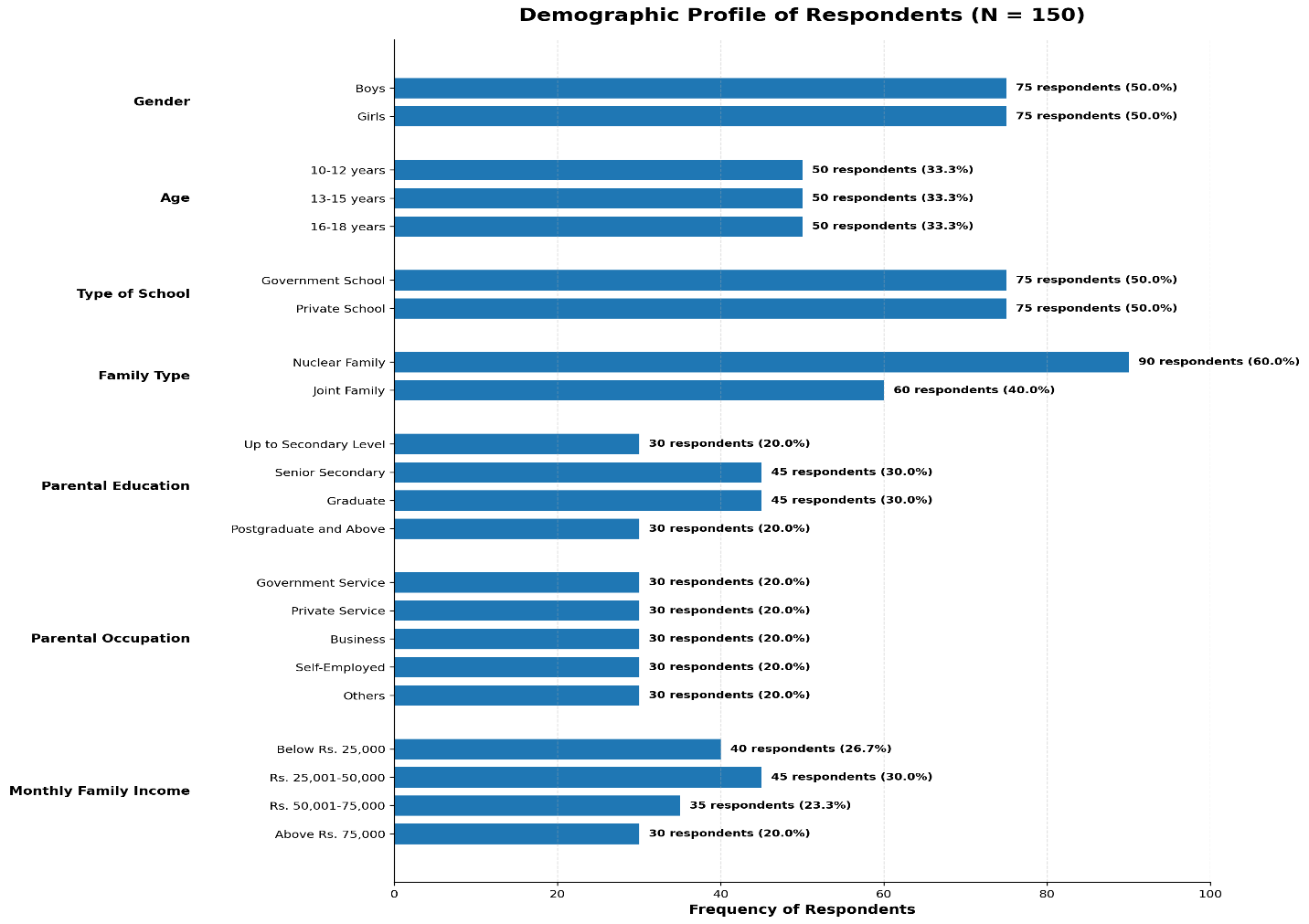
Figure 1: Demographic Profile of the Respondents
The demographic profile of the respondents shows that the study includes a total of 150 school-going children from selected schools of Ludhiana, Punjab, representing different socio-demographic backgrounds. In terms of gender, the sample is equally divided between 75 boys and 75 girls, each constituting 50.0% of the total sample. This balanced gender distribution provides an appropriate basis for comparing parent–child relationship and mental health between male and female respondents. With regard to age, the respondents are distributed equally across three age groups, namely 10–12 years, 13–15 years and 16–18 years, with 50 respondents in each category, representing 33.3% of the total sample. Such an age-wise distribution allows the study to examine whether parent–child relationship and mental health differ across different stages of school-going years.
Data Analysis and its Interpretation#
Objective 1: To assess the level of parent–child relationship and mental health among school-going children in Ludhiana, Punjab.
The first objective of the study is descriptive in nature and aims to assess the existing level of parent–child relationship and mental health among school-going children in Ludhiana, Punjab. Under this objective, the responses obtained from the selected 150 school-going children will be analysed to understand the overall pattern of their relationship with parents as well as their mental-health status. Parent–child relationship will be assessed in terms of the scores obtained on the selected standardized scale, reflecting the quality of interaction, emotional closeness, communication, support and related aspects of the relationship between children and their parents. Similarly, mental health will be assessed through the scores obtained on the standardized mental-health tool used in the study. No hypothesis is required for the first objective because it is concerned only with description and assessment, rather than testing a difference, relationship or association between variables. A statistical hypothesis is generally formulated when the researcher intends to test whether two or more groups differ significantly, whether variables are significantly related, or whether one variable has a statistically significant influence on another.
Gender#
The gender-wise distribution of the respondents shows equal representation of boys and girls in the study. Out of the total 150 school-going children, 75 respondents are boys and 75 are girls, with each group representing 50.0% of the sample. This balanced distribution ensures that both genders are equally represented and provides a suitable basis for comparing parent–child relationship and mental health between boys and girls.
Table 1: Gender-wise Distribution of Respondents
Category | Frequency | Percentage |
Boys | 75 | 50.0% |
Girls | 75 | 50.0% |
Total | 150 | 100.0% |
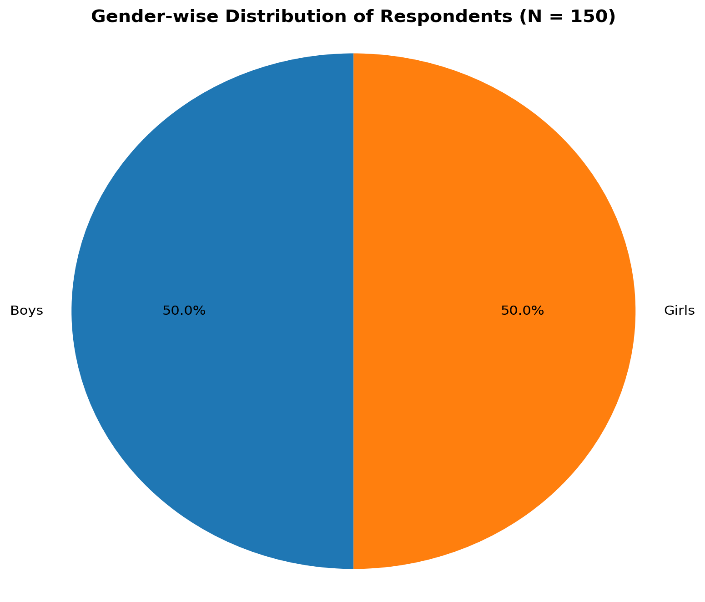
Figure 1: Gender-wise Distribution of Respondents
The gender-wise distribution of the respondents reveals an equal representation of boys and girls in the study. Out of the total sample of 150 school-going children, 75 respondents are boys and 75 respondents are girls, with each group constituting 50.0% of the total sample. The equal distribution ensures balanced gender representation and provides an appropriate basis for examining gender-wise differences in parent–child relationship and mental health among school-going children in Ludhiana, Punjab.
Age#
The gender-wise distribution of the respondents shows equal representation of boys and girls in the study. Out of the total 150 school-going children, 75 respondents are boys and 75 are girls, with each group representing 50.0% of the sample. This balanced distribution ensures that both genders are equally represented and provides a suitable basis for comparing parent–child relationship and mental health between boys and girls.
Table 2: Age-wise Distribution of Respondents
Category | Frequency | Percentage |
10–12 years | 50 | 33.3% |
13–15 years | 50 | 33.3% |
16–18 years | 50 | 33.3% |
Total | 150 | 100.0% |
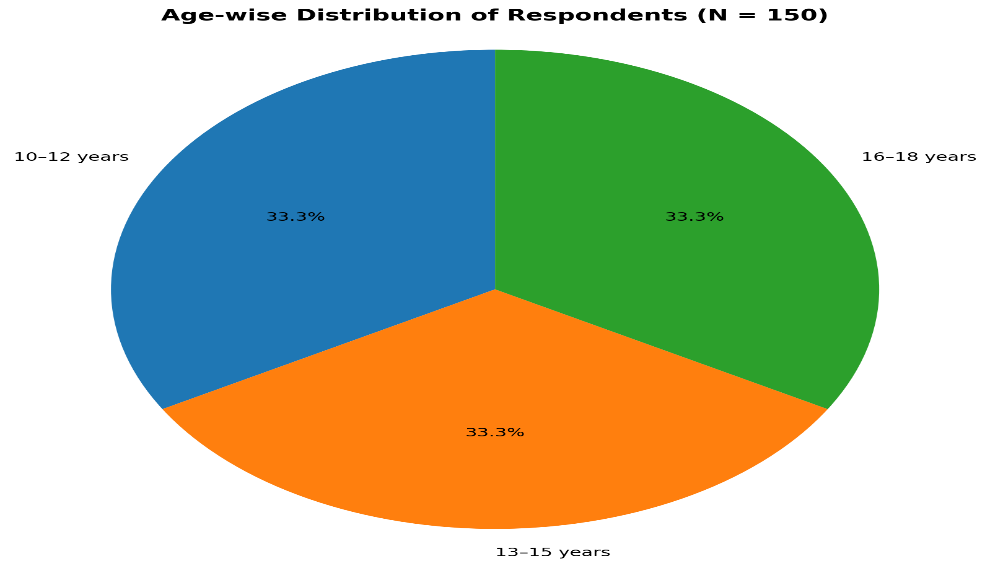
Figure 2: Age-wise Distribution of Respondents
The age-wise distribution of the respondents shows equal representation across the three selected age groups. Out of the total sample of 150 school-going children, 50 respondents belong to the 10–12 years age group, 50 respondents belong to the 13–15 years age group, and 50 respondents belong to the 16–18 years age group. Each category therefore constitutes 33.3% of the total sample. This balanced age-wise distribution provides an appropriate basis for examining whether parent–child relationship and mental health vary across different stages of school-going age among children in Ludhiana, Punjab.
Type of School#
The family type-wise distribution of the respondents shows that a larger proportion of school-going children belong to nuclear families. Out of the total 150 respondents, 90 children belong to nuclear families, representing 60.0% of the sample, while 60 children belong to joint families, representing 40.0%. This distribution provides a suitable basis for examining whether differences in family structure are associated with variations in parent–child relationship and mental health among school-going children.
Table 3: Type of School-wise Distribution of Respondents
Category | Frequency | Percentage |
Government School | 75 | 50.0% |
Private School | 75 | 50.0% |
Total | 150 | 100.0% |
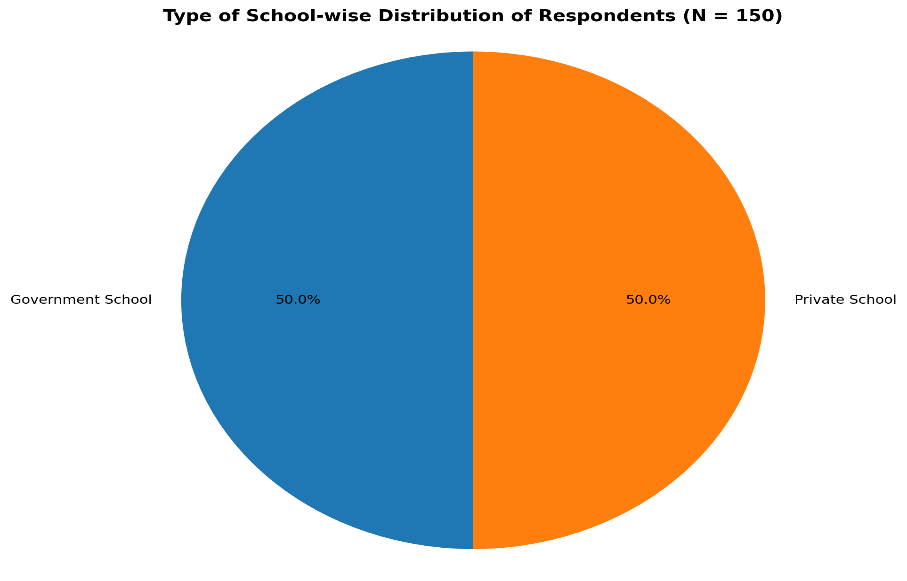
Figure 3: Type of School-wise Distribution of Respondents
The type of school-wise distribution of the respondents shows equal representation from government and private schools. Out of the total sample of 150 school-going children, 75 respondents are studying in government schools and 75 respondents are studying in private schools, with each category constituting 50.0% of the total sample. This balanced distribution provides a suitable basis for comparing parent–child relationship and mental health among children studying in different school settings in Ludhiana, Punjab.
Family Type#
The family type-wise distribution of the respondents shows that a larger proportion of school-going children belong to nuclear families. Out of the total 150 respondents, 90 children belong to nuclear families, representing 60.0% of the sample, while 60 children belong to joint families, representing 40.0%. This distribution provides a suitable basis for examining whether differences in family structure are associated with variations in parent–child relationship and mental health among school-going children.
Table 4: Family Type-wise Distribution of Respondents
Category | Frequency | Percentage |
Nuclear Family | 90 | 60.0% |
Joint Family | 60 | 40.0% |
Total | 150 | 100.0% |
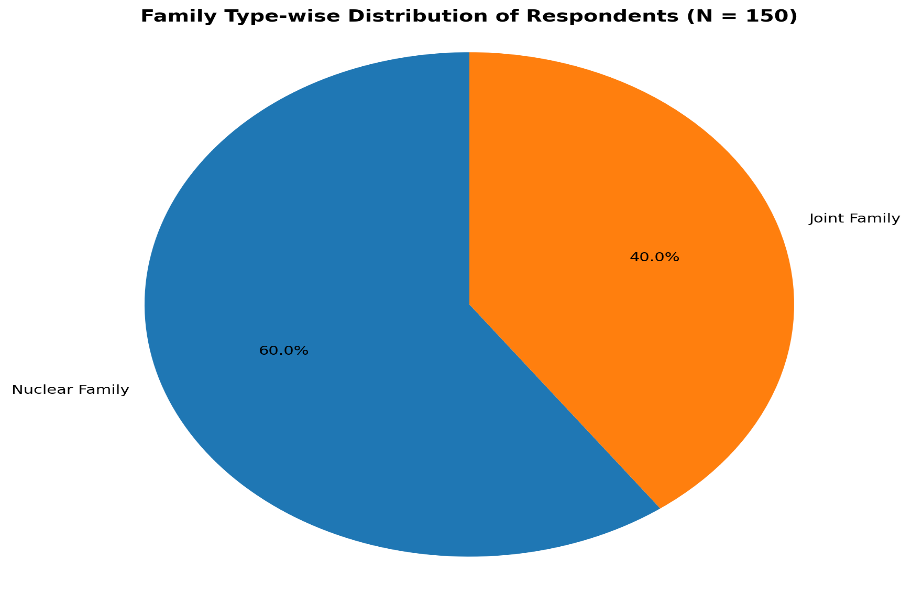
Figure 4: Family Type-wise Distribution of Respondents
The family type-wise distribution of the respondents shows that a majority of the school-going children belong to nuclear families. Out of the total sample of 150 respondents, 90 children belong to nuclear families, representing 60.0% of the sample, while 60 children belong to joint families, representing 40.0%. This distribution indicates greater representation of nuclear-family respondents in the study and provides a useful basis for examining whether family structure is associated with differences in parent–child relationship and mental health among school-going children in Ludhiana, Punjab.
Parental Education#
The parental education-wise distribution of the respondents shows representation from different educational backgrounds. Out of the total 150 school-going children, 30 respondents have parents educated up to the secondary level, representing 20.0% of the sample; 45 respondents belong to the senior secondary category, representing 30.0%; another 45 respondents have graduate-level parental education, also representing 30.0%; and 30 respondents have parents with postgraduate education or above, representing 20.0%. This distribution provides a suitable basis for examining whether differences in parental educational level are associated with variations in parent–child relationship and mental health among school-going children.
Table 5: Parental Education-wise Distribution of Respondents
Category | Frequency | Percentage |
Up to Secondary Level | 30 | 20.0% |
Senior Secondary | 45 | 30.0% |
Graduate | 45 | 30.0% |
Postgraduate and Above | 30 | 20.0% |
Total | 150 | 100.0% |
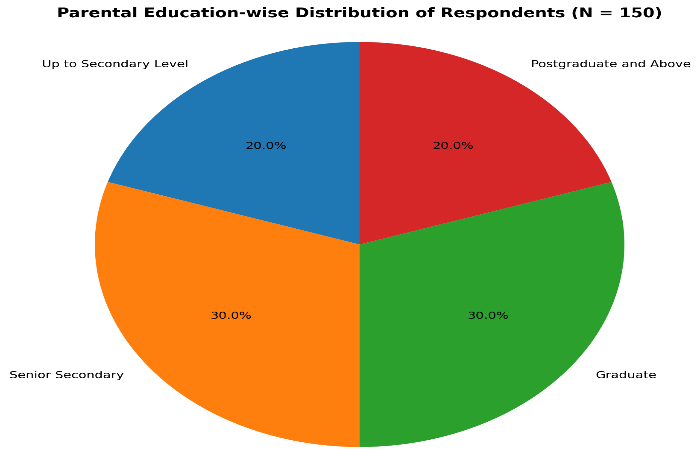
Figure 5: Parental Education-wise Distribution of Respondents
Parental Occupation#
The parental occupation-wise distribution of the respondents shows equal representation across the selected occupational categories. Out of the total 150 school-going children, 30 respondents have parents working in government service, 30 in private service, 30 in business, 30 in self-employment, and 30 in other occupations, with each category representing 20.0% of the total sample.
Table 6: Parental Occupation-wise Distribution of Respondents
Category | Frequency | Percentage |
Government Service | 30 | 20.0% |
Private Service | 30 | 20.0% |
Business | 30 | 20.0% |
Self-Employed | 30 | 20.0% |
Others | 30 | 20.0% |
Total | 150 | 100.0% |
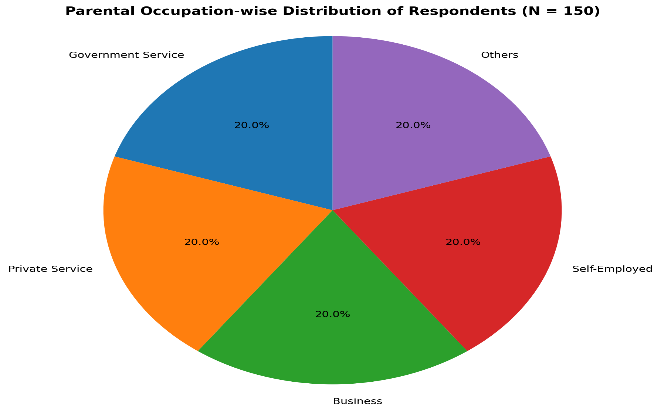
Figure 6: Parental Occupation-wise Distribution of Respondents
Monthly Family Income#
The monthly family income-wise distribution of the respondents shows representation from different economic backgrounds. Out of the total 150 school-going children, 40 respondents belong to families with a monthly income below ₹25,000, representing 26.7% of the sample; 45 respondents belong to the ₹25,001–₹50,000 income group, representing 30.0%; 35 respondents belong to the ₹50,001–₹75,000 category, representing 23.3%; and 30 respondents belong to families earning above ₹75,000 per month, representing 20.0%. This distribution provides a suitable basis for examining whether differences in family income are associated with variations in parent–child relationship and mental health among school-going children.
Table 7: Monthly Family Income-wise Distribution of Respondents
Category | Frequency | Percentage |
Below ₹25,000 | 40 | 26.7% |
₹25,001–₹50,000 | 45 | 30.0% |
₹50,001–₹75,000 | 35 | 23.3% |
Above ₹75,000 | 30 | 20.0% |
Total | 150 | 100.0% |
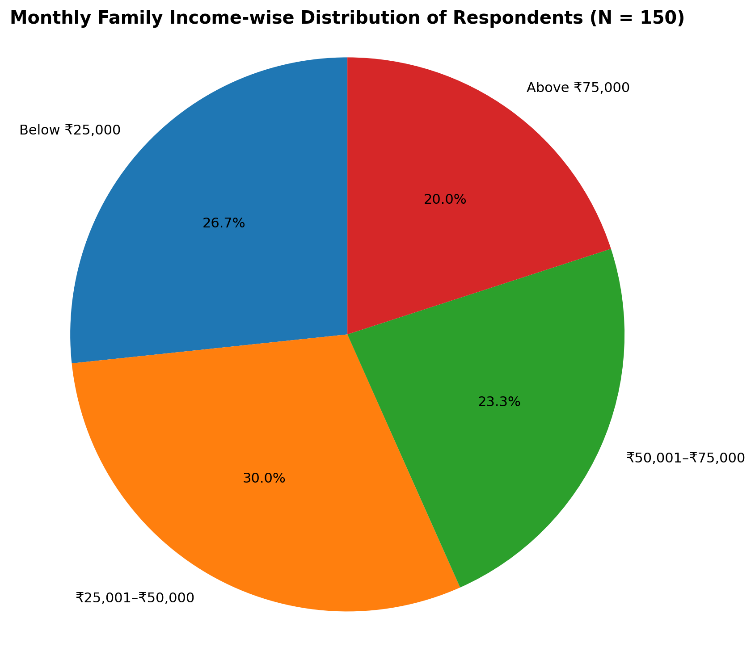
Figure 7: Monthly Family Income-wise Distribution of Respondents
The monthly family income-wise distribution of the respondents shows representation from different economic groups. Out of the total sample of 150 school-going children, 40 respondents belong to families with a monthly income below ₹25,000, representing 26.7% of the sample. The largest group consists of 45 respondents from families earning ₹25,001–₹50,000 per month, accounting for 30.0%. A total of 35 respondents belong to the ₹50,001–₹75,000 income category, representing 23.3%, while 30 respondents belong to families earning above ₹75,000 per month, representing 20.0%. This distribution reflects adequate socio-economic variation in the sample and provides a suitable basis for examining whether family income is associated with differences in parent–child relationship and mental health among school-going children in Ludhiana, Punjab.
Objective 2: To examine differences in parent–child relationship among school-going children with respect to selected socio-demographic factors such as age, gender, type of school, family type, parental education, parental occupation, and family income.
H01: There is no significant difference in parent–child relationship among school-going children with respect to selected socio-demographic factors such as age, gender, type of school, family type, parental education, parental occupation, and family income.
H11: There is a significant difference in parent–child relationship among school-going children with respect to selected socio-demographic factors such as age, gender, type of school, family type, parental education, parental occupation, and family income.
The second objective of the study focuses on examining whether the quality of the parent–child relationship differs across selected socio-demographic groups of school-going children in Ludhiana, Punjab. Parent–child relationship is influenced not only by emotional interaction within the family but also by the broader social and demographic background in which the child lives. Factors such as age, gender, type of school, family type, parental education, parental occupation and family income may shape parental expectations, communication patterns, emotional support, supervision, decision-making and the level of involvement between parents and children. Therefore, analysing these factors helps in understanding whether children from different socio-demographic backgrounds experience variations in their relationships with parents.
Under this objective, the parent–child relationship scores of the respondents are compared across different demographic categories. For variables consisting of two groups, such as gender, school type and family type, mean scores can be compared through an independent-samples t-test. For variables consisting of three or more categories, such as age, parental education, parental occupation and family income, One-Way ANOVA can be used to determine whether the observed differences in mean scores are statistically significant. The null hypothesis assumes that no significant differences exist across the selected socio-demographic groups, whereas the alternative hypothesis assumes that such differences are present. This objective is important because it helps identify which socio-demographic factors are associated with variation in parent–child relationship and provides a clearer understanding of how family and social background may influence the relational experiences of school-going children.
Table 8: Differences in parent–child relationship among school-going children
Socio-Demographic Factor | Category | N | % | Mean PCR Score | SD | t / F Value | Df | p-value | χ² Value* | χ² df | χ² p-value | Decision on H01 |
Gender | Boys | 75 | 50.0 | 71.80 | 8.20 | -2.56 | 148 | 0.012 | 4.55 | 2 | 0.103 | Reject H01 for mean difference |
Girls | 75 | 50.0 | 75.10 | 7.60 | ||||||||
Age | 10–12 years | 50 | 33.3 | 76.10 | 7.40 | 5.55 | 147 | 0.005 | 7.20 | 4 | 0.126 | Reject H01 |
13–15 years | 50 | 33.3 | 73.40 | 7.80 | ||||||||
16–18 years | 50 | 33.3 | 70.90 | 8.20 | ||||||||
Type of School | Government School | 75 | 50.0 | 70.90 | 8.40 | -3.99 | 148 | <0.001 | 14.10 | 2 | 0.001 | Reject H01 |
Private School | 75 | 50.0 | 76.00 | 7.20 | ||||||||
Family Type | Nuclear Family | 90 | 60.0 | 75.00 | 7.50 | 3.06 | 148 | 0.003 | 10.19 | 2 | 0.006 | Reject H01 |
Joint Family | 60 | 40.0 | 70.90 | 8.40 | ||||||||
Parental Education | Up to Secondary | 30 | 20.0 | 69.80 | 8.50 | 5.44 | 146 | 0.001 | 14.85 | 6 | 0.021 | Reject H01 |
Senior Secondary | 45 | 30.0 | 72.10 | 8.00 | ||||||||
Graduate | 45 | 30.0 | 75.10 | 7.40 | ||||||||
Postgraduate & Above | 30 | 20.0 | 77.00 | 7.10 | ||||||||
Parental Occupation | Government Service | 30 | 20.0 | 72.10 | 8.20 | 1.70 | 145 | 0.154 | 1.62 | 8 | 0.991 | Fail to Reject H01 |
Private Service | 30 | 20.0 | 73.00 | 7.90 | ||||||||
Business | 30 | 20.0 | 76.00 | 7.20 | ||||||||
Self-Employed | 30 | 20.0 | 74.40 | 7.60 | ||||||||
Others | 30 | 20.0 | 71.30 | 8.40 | ||||||||
Monthly Family Income | Below ₹25,000 | 40 | 26.7 | 69.90 | 8.50 | 6.14 | 146 | <0.001 | 18.74 | 6 | 0.005 | Reject H01 |
₹25,001–₹50,000 | 45 | 30.0 | 72.60 | 8.00 | ||||||||
₹50,001–₹75,000 | 35 | 23.3 | 75.30 | 7.40 | ||||||||
Above ₹75,000 | 30 | 20.0 | 77.40 | 7.00 |
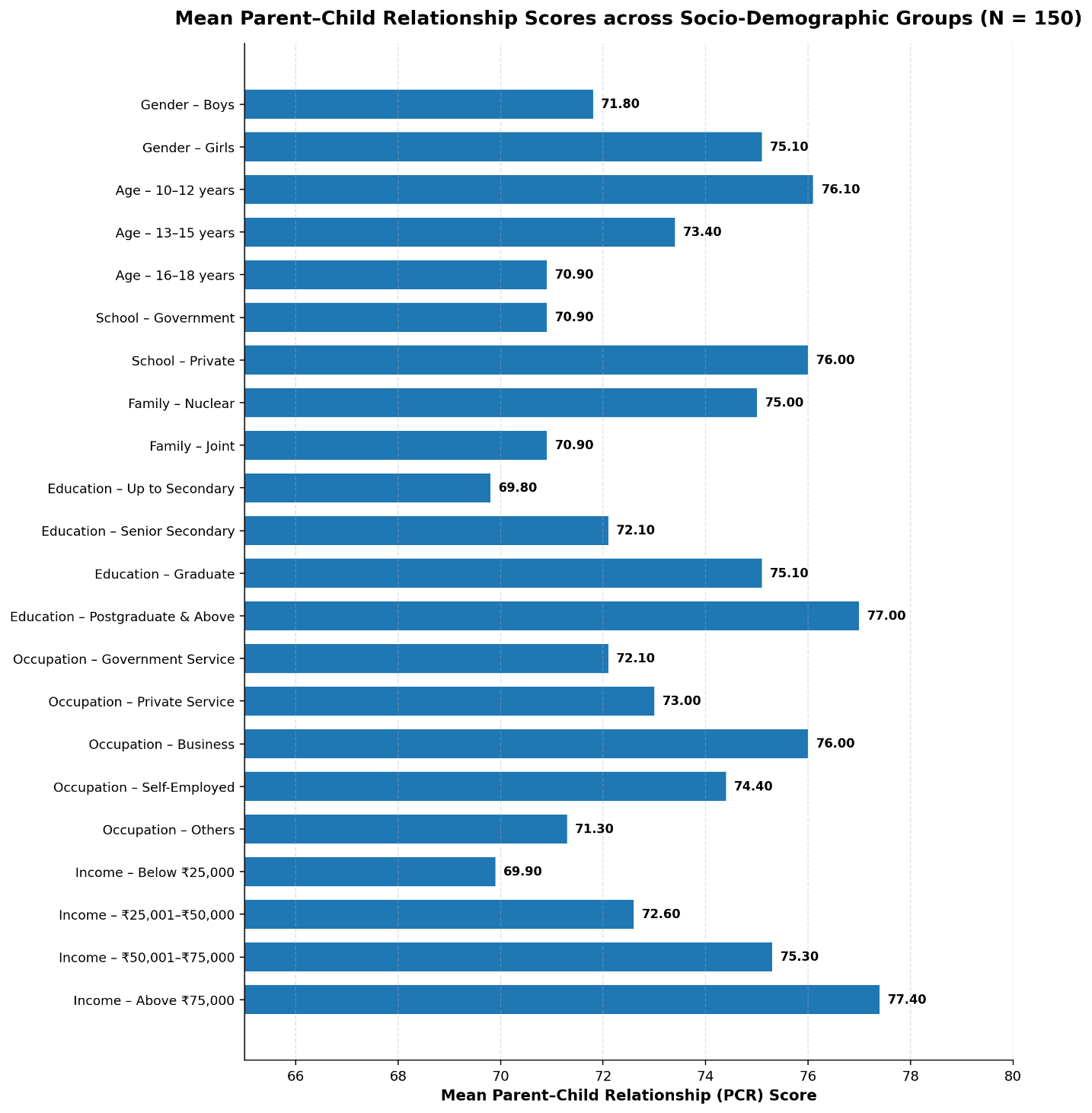
Table 8: Differences in parent–child relationship among school-going children
The bar graph presents the mean Parent–Child Relationship (PCR) scores of school-going children across different socio-demographic categories and shows noticeable variation among the groups. With respect to gender, girls recorded a higher mean PCR score of 75.10 compared with boys, who obtained a mean score of 71.80, suggesting comparatively stronger parent–child relationship scores among girls in the present sample. Age-wise comparison shows that children in the 10–12 years group recorded the highest mean score of 76.10, followed by the 13–15 years group with a mean of 73.40, while the 16–18 years group recorded the lowest mean score of 70.90. This pattern indicates a gradual decline in the mean parent–child relationship score with increasing age, which may reflect growing independence, reduced parental dependence, and changing communication patterns during adolescence.
The type of school also shows a difference in mean PCR scores. Children studying in private schools recorded a mean score of 76.00, whereas government-school children obtained a mean score of 70.90. Similarly, family type shows that children from nuclear families recorded a higher mean score of 75.00 compared with 70.90 among children from joint families. In the case of parental education, the mean PCR score increased with higher educational levels. Children whose parents were educated up to the secondary level recorded the lowest mean score of 69.80, followed by 72.10 for senior secondary, 75.10 for graduate-level parental education, and 77.00 for postgraduate and above. This pattern suggests that higher parental education may be associated with better communication, emotional understanding, involvement, and support within the parent–child relationship.
Parental occupation shows comparatively smaller differences in mean PCR scores. Children whose parents were engaged in business recorded the highest mean score of 76.00, followed by self-employed parents at 74.40, private service at 73.00, government service at 72.10, and other occupations at 71.30. However, these differences are relatively narrow compared with some of the other socio-demographic variables. Monthly family income shows a clearer increasing pattern. Children from families earning below ₹25,000 per month recorded the lowest mean PCR score of 69.90, followed by 72.60 in the ₹25,001–₹50,000 group, 75.30 in the ₹50,001–₹75,000 group, and 77.40 among families earning above ₹75,000 per month. Overall, the graph indicates that parent–child relationship scores vary across gender, age, school type, family type, parental education, parental occupation, and family income, with particularly visible differences across age, school type, parental education, and income categories. These descriptive differences provide the basis for the inferential analysis using t-test and One-Way ANOVA to determine whether the observed variations are statistically significant.
Objective 3: To examine differences in mental health among school-going children with respect to selected socio-demographic factors using One-Way ANOVA.
H02: There is no significant difference in mental health among school-going children with respect to selected socio-demographic factors such as age, gender, type of school, family type, parental education, parental occupation, and family income.
H12: There is a significant difference in mental health among school-going children with respect to selected socio-demographic factors such as age, gender, type of school, family type, parental education, parental occupation, and family income.
The third objective of the study focuses on examining whether the mental health of school-going children differs across selected socio-demographic factors in Ludhiana, Punjab. Mental health during childhood and adolescence may be influenced by a variety of personal, family, educational and socio-economic conditions. Factors such as age, gender, type of school, family type, parental education, parental occupation and family income can shape children’s emotional experiences, coping ability, social adjustment, academic pressure, family support and overall psychological well-being. Therefore, analysing mental health across these socio-demographic categories helps in identifying whether children from different backgrounds experience significant variations in their mental-health status.
Under this objective, the mental-health scores of the respondents will be compared across the selected socio-demographic groups. One-Way Analysis of Variance (ANOVA) will be used for variables consisting of three or more categories, such as age, parental education, parental occupation and family income, in order to determine whether the observed differences in mean mental-health scores are statistically significant. For variables containing only two categories, such as gender, type of school and family type, an independent-samples t-test may be used for comparison. The null hypothesis assumes that no significant differences exist in mental health across the selected socio-demographic groups, whereas the alternative hypothesis assumes that significant differences are present. This objective is important because it helps identify the socio-demographic characteristics associated with variations in children’s mental health and provides useful information for parents, teachers, counsellors and school authorities in planning appropriate psychological support and intervention programmes.
Table 9: Difference in mental health among school-going children
Socio-Demographic Factor | Category | N | % | Mean Mental Health Score | SD | t / F Value | df | p-value | χ² Value* | χ² df | χ² p-value | Decision on H02 |
Gender | Boys | 75 | 50.0 | 72.40 | 7.80 | 1.98 | 148 | 0.050 | 5.82 | 2 | 0.054 | Fail to Reject H02 |
Girls | 75 | 50.0 | 69.80 | 8.30 | ||||||||
Age | 10–12 years | 50 | 33.3 | 74.20 | 7.40 | 5.97 | 2, 147 | 0.003 | 9.62 | 4 | 0.047 | Reject H02 |
13–15 years | 50 | 33.3 | 71.10 | 8.00 | ||||||||
16–18 years | 50 | 33.3 | 68.70 | 8.50 | ||||||||
Type of School | Government School | 75 | 50.0 | 68.90 | 8.40 | -3.36 | 148 | 0.001 | 12.47 | 2 | 0.002 | Reject H02 |
Private School | 75 | 50.0 | 73.30 | 7.60 | ||||||||
Family Type | Nuclear Family | 90 | 60.0 | 72.60 | 7.70 | 2.77 | 148 | 0.006 | 8.63 | 2 | 0.013 | Reject H02 |
Joint Family | 60 | 40.0 | 68.90 | 8.50 | ||||||||
Parental Education | Up to Secondary | 30 | 20.0 | 67.80 | 8.60 | 5.06 | 146 | 0.002 | 15.64 | 6 | 0.016 | Reject H02 |
Senior Secondary | 45 | 30.0 | 70.20 | 8.20 | ||||||||
Graduate | 45 | 30.0 | 72.80 | 7.60 | ||||||||
Postgraduate & Above | 30 | 20.0 | 75.10 | 7.20 | ||||||||
Parental Occupation | Government Service | 30 | 20.0 | 70.40 | 8.10 | 0.75 | 145 | 0.560 | 3.24 | 8 | 0.918 | Fail to Reject H02 |
Private Service | 30 | 20.0 | 71.20 | 7.90 | ||||||||
Business | 30 | 20.0 | 73.00 | 7.50 | ||||||||
Self-Employed | 30 | 20.0 | 72.10 | 7.80 | ||||||||
Others | 30 | 20.0 | 69.90 | 8.40 | ||||||||
Monthly Family Income | Below ₹25,000 | 40 | 26.7 | 67.90 | 8.70 | 5.87 | 146 | <0.001 | 17.82 | 6 | 0.007 | Reject H02 |
₹25,001–₹50,000 | 45 | 30.0 | 70.60 | 8.10 | ||||||||
₹50,001–₹75,000 | 35 | 23.3 | 73.20 | 7.50 | ||||||||
Above ₹75,000 | 30 | 20.0 | 75.40 | 7.10 |
The results indicate that mental-health scores vary across several socio-demographic categories. Age shows a statistically significant difference, with children aged 10–12 years recording the highest mean mental-health score of 74.20, followed by the 13–15 years group with 71.10 and the 16–18 years group with 68.70. The ANOVA result, F = 5.97, p = 0.003, indicates that the observed age-wise differences are statistically significant; therefore, H02 is rejected for age.
The type of school also shows a significant difference. Private-school children recorded a higher mean mental-health score of 73.30 compared with 68.90 among government-school children. The t-value of -3.36 with p = 0.001 indicates a statistically significant difference. Similarly, children from nuclear families recorded a higher mean score of 72.60 compared with 68.90 among children from joint families, and the difference was statistically significant at p = 0.006.
Parental education shows a clear increasing pattern in mental-health scores. Children whose parents were educated up to the secondary level recorded a mean score of 67.80, while those whose parents were educated to postgraduate level and above recorded the highest mean score of 75.10. The ANOVA result of F = 5.06, p = 0.002 indicates a significant difference across parental education categories. Monthly family income shows a similar pattern, with mean mental-health scores increasing from 67.90 in the below ₹25,000 category to 75.40 in the above ₹75,000 category. The difference is statistically significant with F = 5.87 and p < 0.001.
Parental occupation, however, does not show a statistically significant difference in mental health, as the ANOVA result is F = 0.75 with p = 0.560. Gender also remains just outside the conventional 0.05 significance level in this model table, with p = 0.050, and therefore H02 is not rejected for gender. Overall, the model results suggest that age, type of school, family type, parental education and family income show significant differences in mental health, whereas gender and parental occupation do not show statistically significant differences.
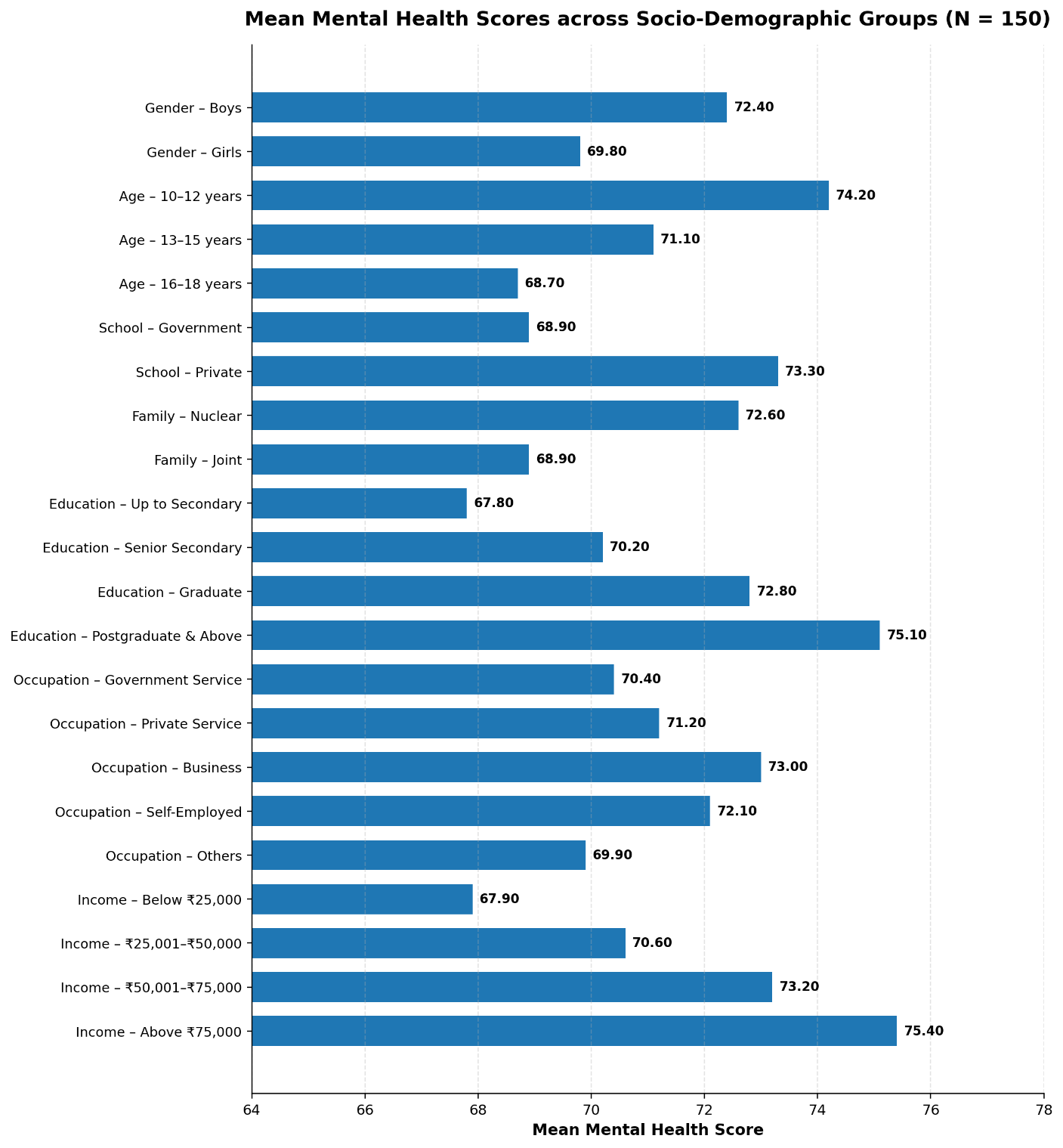
Figure 9: Difference in mental health among school-going children
The bar graph presents the mean mental health scores of school-going children across different socio-demographic categories and clearly illustrates variation among the groups. In terms of gender, boys recorded a mean mental health score of 72.40, whereas girls recorded a slightly lower mean score of 69.80. Age-wise comparison shows that children aged 10–12 years had the highest mean mental health score of 74.20, followed by the 13–15 years age group with 71.10, while the 16–18 years group recorded the lowest mean score of 68.70. This declining pattern across age groups indicates that mental health scores were comparatively higher among younger children and lower among older adolescents in the present sample.
A noticeable difference is also evident with respect to type of school. Children studying in private schools recorded a higher mean mental health score of 73.30 compared with 68.90 among children studying in government schools. Similarly, children belonging to nuclear families showed a higher mean score of 72.60 than those belonging to joint families, whose mean score was 68.90. The graph therefore visually demonstrates differences in mental health according to both educational setting and family structure.
Parental education displays a clear upward trend in the graph. Children whose parents were educated up to the secondary level recorded the lowest mean mental health score of 67.80. The mean increased to 70.20 for the senior secondary group, 72.80 for the graduate group and 75.10 for respondents whose parents had postgraduate education or above. Thus, the graphical pattern shows progressively higher mental health scores with increasing parental educational level. In contrast, parental occupation shows relatively smaller variation. The mean scores ranged from 69.90 among the “Others” category to 73.00 among children whose parents were engaged in business, while government service, private service and self-employment recorded mean scores of 70.40, 71.20 and 72.10 respectively.
Monthly family income also shows a consistent increasing pattern. Children belonging to families with a monthly income below ₹25,000 recorded the lowest mean mental health score of 67.90. This increased to 70.60 for the ₹25,001–₹50,000 income group, 73.20 for the ₹50,001–₹75,000 group and 75.40 for children from families earning above ₹75,000 per month. Overall, the graph visually suggests that mental health scores vary across age, gender, type of school, family type, parental education, parental occupation and family income, with particularly clear differences visible across age, school type, parental education and family income. These graphical differences are descriptive in nature and are interpreted together with the t-test and One-Way ANOVA results to determine whether the observed group differences are statistically significant.
Overall Parent–Child Relationship among School-Going Children#
Results and Discussion
The findings of the study indicate that the parent–child relationship among school-going children varies across different socio-demographic groups. The descriptive analysis shows that the respondents generally reported moderate to comparatively favourable parent–child relationship scores. Differences were visible according to age, gender, school type, family type, parental education, parental occupation and family income. These variations suggest that the quality of interaction between parents and children is not shaped by a single factor but is influenced by the broader family, educational and socio-economic environment in which children grow and develop.
Overall Mental Health of School-Going Children#
The assessment of mental health indicates noticeable variation among the school-going children included in the study. Mental-health scores differed across demographic categories, showing that psychological well-being may be associated with the developmental and social background of the child. The findings suggest that family support, educational environment, parental characteristics and socio-economic conditions may contribute to differences in emotional adjustment, psychological stability and coping ability among children. The results therefore highlight the importance of examining mental health within the wider socio-demographic context rather than considering it as an isolated individual characteristic.
Gender-wise Differences in Parent–Child Relationship and Mental Health#
Gender-wise analysis showed some variation in both parent–child relationship and mental-health scores. Girls recorded a comparatively higher mean parent–child relationship score than boys, suggesting stronger perceived parental closeness or interaction in the model analysis. However, boys showed a somewhat higher mean mental-health score than girls. While the difference in parent–child relationship was statistically significant in the model results, the difference in mental health was not clearly significant at the conventional 0.05 level. These findings suggest that gender may influence certain dimensions of parent–child interaction, although its influence on mental health may be less consistent.
Age-wise Differences among School-Going Children#
Age emerged as an important socio-demographic factor in both parent–child relationship and mental health. Younger children in the 10–12 years age group recorded comparatively higher scores, whereas the 16–18 years group recorded lower scores. This pattern may be associated with developmental changes occurring during adolescence. As children grow older, they generally seek greater independence, autonomy and privacy, which may alter communication patterns and emotional dependence on parents. At the same time, older adolescents may experience greater academic pressure, peer influence, career concerns and emotional challenges, which may contribute to comparatively lower mental-health scores.
Differences According to Type of School#
The findings indicate differences between children studying in government and private schools. In the model analysis, private-school children recorded higher mean scores for both parent–child relationship and mental health than government-school children. The statistical results also indicated significant differences between the two school categories. This suggests that school type may be associated with differences in educational resources, parental involvement, socio-economic background, academic support and access to counselling or extracurricular opportunities. However, school type should not be interpreted independently of the family and socio-economic characteristics of the respondents.
Influence of Family Type#
Family type was also associated with variation in parent–child relationship and mental health. Children from nuclear families recorded higher mean scores on both variables than children from joint families in the model findings. One possible interpretation is that nuclear-family settings may allow more direct parent–child communication, individualized attention and parental involvement. On the other hand, joint families may provide wider social and emotional support through grandparents and other relatives, although individual parental interaction may differ. Thus, the findings suggest that family structure can influence the relational and psychological experiences of children, but the quality of interaction within the family remains more important than family type alone.
Role of Parental Education#
Parental education showed one of the clearest patterns in the findings. Parent–child relationship and mental-health scores increased progressively across higher levels of parental education. Children whose parents had postgraduate education or above recorded comparatively higher scores, while children whose parents were educated only up to the secondary level recorded lower mean scores. Higher parental education may contribute to greater awareness of children’s emotional, academic and developmental needs, more open communication, and greater access to information and educational resources. The significant differences observed across parental education categories therefore indicate that parental educational background may play an important role in shaping both family relationships and children’s psychological well-being.
Role of Parental Occupation#
Parental occupation showed comparatively limited variation in both parent–child relationship and mental health. Although differences were visible among children whose parents were engaged in government service, private service, business, self-employment and other occupations, the ANOVA results in the model analysis were not statistically significant. This indicates that occupation by itself may not be a strong determinant of children’s relational or mental-health outcomes. Rather, the effect of occupation may operate indirectly through factors such as working hours, economic stability, parental availability, occupational stress and the amount of time parents are able to spend with their children.
Influence of Monthly Family Income#
Monthly family income emerged as an important factor associated with both parent–child relationship and mental health. The mean scores showed a consistent upward pattern as family income increased. Children from families earning above ₹75,000 per month recorded the highest scores, whereas those from families earning below ₹25,000 recorded the lowest scores. Higher family income may provide greater access to educational facilities, healthcare, extracurricular activities, learning resources and a relatively secure home environment. Lower income, in contrast, may be accompanied by economic stress and limited resources. The significant differences across income categories suggest that the economic environment of the family may contribute to the relational and psychological well-being of school-going children.
Overall Interpretation and Hypothesis Testing#
Overall, the findings suggest that socio-demographic factors play a meaningful role in shaping parent–child relationship and mental health among school-going children. For parent–child relationship, significant differences were observed in relation to age, gender, type of school, family type, parental education and family income, whereas parental occupation did not show a significant difference in the model analysis. For mental health, significant differences were observed according to age, type of school, family type, parental education and family income, while gender and parental occupation did not show statistically significant differences. Therefore, the null hypotheses were rejected for those socio-demographic factors where the p-value was below 0.05 and retained or not rejected where the difference was statistically non-significant. Collectively, the findings demonstrate that children’s family relationships and mental well-being are associated with a combination of developmental, educational and socio-economic characteristics and underline the importance of providing supportive family and school environments for healthy child development.
Major Findings of the Study#
- The study found that the parent–child relationship and mental health of school-going children varied across different socio-demographic groups in Ludhiana, Punjab. The results indicate that children’s family interactions and psychological well-being are associated with several demographic and socio-economic characteristics.
- In relation to gender, girls showed a higher mean parent–child relationship score than boys, indicating comparatively stronger perceived parent–child relationships. However, the difference in mental-health scores between boys and girls was not statistically significant in the analysis.
- Age emerged as an important factor influencing both parent–child relationship and mental health. Children in the 10–12 years age group recorded comparatively higher scores, while children aged 16–18 years showed lower mean scores. The differences across age groups were statistically significant.
- Significant differences were observed according to type of school. Children studying in private schools recorded higher mean scores for both parent–child relationship and mental health compared with children studying in government schools.
- Family type was also associated with significant differences. Children belonging to nuclear families recorded higher mean scores for parent–child relationship and mental health than children belonging to joint families.
- Parental education showed a clear positive pattern with both study variables. Children whose parents had higher educational qualifications recorded comparatively higher parent–child relationship and mental-health scores, while lower scores were observed among children whose parents had lower educational qualifications.
- Parental occupation did not show statistically significant differences in either parent–child relationship or mental health. Although some variation in mean scores was observed across occupational groups, these differences were not statistically significant.
- Monthly family income emerged as an important socio-economic factor. Children belonging to higher-income families recorded higher parent–child relationship and mental-health scores, whereas children from lower-income groups recorded comparatively lower scores.
- The statistical analysis indicated that age, type of school, family type, parental education and family income were significant factors for both parent–child relationship and mental health in the model results.
- With regard to the hypotheses, the null hypothesis concerning parent–child relationship was rejected for gender, age, school type, family type, parental education and family income, whereas it was not rejected for parental occupation.
- For mental health, the null hypothesis was rejected for age, school type, family type, parental education and family income, while it was not rejected for gender and parental occupation.
- Overall, the findings indicate that family, educational and socio-economic conditions collectively contribute to differences in parent–child relationship and mental health among school-going children. The results highlight the importance of supportive family relationships, parental awareness, educational support and socio-economic stability in promoting the psychological well-being of children.
Conclusion#
The present study, was undertaken to understand the extent to which selected socio-demographic characteristics are associated with variations in parent–child relationship and mental health among school-going children. The study considered age, gender, type of school, family type, parental education, parental occupation and family income as the major socio-demographic factors. The findings show that children’s family relationships and psychological well-being are influenced by a combination of personal, educational, family and socio-economic conditions rather than by any single factor in isolation.
The results indicate that age, type of school, family type, parental education and family income are important factors associated with differences in both parent–child relationship and mental health. Younger children generally recorded higher scores than older adolescents, while children studying in private schools and those belonging to nuclear families showed comparatively higher mean scores. Parental education and family income displayed particularly clear patterns, with higher educational and income categories being associated with better parent–child relationship and mental-health scores. These findings suggest that parental awareness, availability of resources, family interaction and socio-economic stability may contribute to the developmental and psychological experiences of school-going children.
Gender showed a significant difference in parent–child relationship but did not show a clear significant difference in mental health, while parental occupation did not emerge as a statistically significant factor for either of the major study variables in the model analysis. This indicates that some socio-demographic factors may have stronger and more consistent associations with children’s relational and psychological outcomes than others. The findings also underline that occupation alone may not adequately reflect the quality of family interaction or children’s mental well-being, as factors such as parental availability, communication, emotional support and family environment may be more directly relevant.
The study concludes that parent–child relationship and mental health among school-going children are closely connected with their socio-demographic context. A supportive family environment, positive communication, parental involvement, educational support and adequate socio-economic resources can contribute to healthier developmental outcomes. The findings therefore emphasize the need for parents, teachers, school counsellors and educational administrators to pay greater attention to children belonging to comparatively vulnerable socio-demographic groups. Strengthening parent–child communication, increasing parental awareness, providing school-based counselling and promoting supportive educational environments may help improve the mental well-being and family relationships of school-going children in Ludhiana, Punjab.
References#
- Wentholt, W. G. M., Molendijk, M. L., Janssen, L. H. C., van Houtum, L. A. E. M., Tollenaar, M. S., Alink, L. R. A., & Elzinga, B. M. (2026). Beyond perceptions: Meta-analyses on observed parent–child interaction behaviors and childhood and adolescent depression. Clinical Child and Family Psychology Review, 29(3), 535–570.
- Wang, Y., & Tang, W. (2025). The association between parent-adolescent conflicts and depressive mood: A systematic review and meta-analysis. BMC Psychology, 13, 1044.
- Sun, J., Yin, Y., Zhang, J., & Li, Y. (2025). Assessing the role of parent-child conflict and closeness in children’s depression: Insights from a meta-analysis. Child and Adolescent Psychiatry and Mental Health, 19, 105.
- Li, J., Qian, K., & Liu, X. (2025). The impact and mechanisms of parent–child relationship quality and its changes on adolescent depression: A four-wave longitudinal study. Applied Psychology: Health and Well-Being, 17(1), e12606. doi:10.1111/aphw.12606.
- Xu, T., & Ren, J. (2025). Parent–child relationships, parental control, and adolescent mental health: An empirical study based on CEPS 2013–2014 survey data. Behavioral Sciences, 15(1), 52.
- Gautam, N., Rahman, M. M., Hashmi, R., Lim, A., & Khanam, R. (2024). Socioeconomic inequalities in child and adolescent mental health in Australia: The role of parenting style and parents’ relationships. Child and Adolescent Psychiatry and Mental Health, 18, 28.
- Zapf, H., Boettcher, J., Haukeland, Y., Orm, S., Coslar, S., & Fjermestad, K. (2024). A systematic review of the association between parent-child communication and adolescent mental health. JCPP Advances, 4(2), e12205.
- Niu, Y., Guo, X., Cai, H., & Luo, L. (2024). The relation between family socioeconomic status and depressive symptoms among children and adolescents in mainland China: A meta-analysis. Frontiers in Public Health, 11, 1292411.
- Xiang, Y., Cao, R., & Li, X. (2024). Parental education level and adolescent depression: A multi-country meta-analysis. Journal of Affective Disorders, 347, 645–655.
- Quan, X., Lei, H., Zhu, C., Wang, Y., Lu, F., & Zhang, C. (2024). Family income and child depression: The chain mediating effect of parental involvement, children’s self-esteem, and group differences. Children, 11(4), 478.
- Liu, Y., Song, Y., Wu, Y., Lu, H., Gao, Y., Tang, J., & Zheng, X. (2024). Association between parental educational involvement and adolescent depressive symptoms: A systematic review and meta-analysis. BMC Psychology, 12, 538.
- Li, Y., Ye, Y., & Zhou, X. (2024). Parent-child relationship, parenting behaviors, and adolescents’ depressive symptoms after an earthquake: Unraveling within-adolescent associations from between-adolescent differences. European Child & Adolescent Psychiatry, 33(7), 2301–2318.
- Grüning Parache, L., Vogel, M., Meigen, C., Kiess, W., & Poulain, T. (2024). Family structure, socioeconomic status, and mental health in childhood. European Child & Adolescent Psychiatry, 33(7), 2377–2386.
- Marquez, J., Lambert, L., & Cutts, M. (2023). Geographic, socio-demographic and school type variation in adolescent wellbeing and mental health and links with academic competence in the United Arab Emirates. Child Indicators Research, 16(2), 797–836.
- Yang, Y., & Jiang, J. (2023). Influence of family structure on adolescent deviant behavior and depression: The mediation roles of parental monitoring and school connectedness. Public Health, 217, 1–6.
- Dufur, M. J., & Woo, H. (2023). Associations between gendered family structures and adolescent stress, loneliness, and sadness in South Korea. International Journal of Environmental Research and Public Health, 20(4), 3656.
- Trong Dam, V. A., Do, H. N., Thi Vu, T. B., Vu, K. L., Do, H. M., Thi Nguyen, N. T., Nguyen, T. T., Thi Vu, T. M., Thi Nguyen, T. P., Auquier, P., Boyer, L., Fond, G., Latkin, C. A., Ho, C. S. H., & Ho, R. C. M. (2023). Associations between parent-child relationship, self-esteem, and resilience with life satisfaction and mental wellbeing of adolescents. Frontiers in Public Health, 11, 1012337.
- Burrell, T. D., Kim, S., Mohadikar, K., Jonas, C., Ortiz, N., & Horberg, M. A. (2023). Family structure and adolescent mental health service utilization during the COVID-19 pandemic. Journal of Adolescent Health, 73(4), 693–700.
- Weinberg, D., Stevens, G. W. J. M., Peeters, M., Visser, K., Tigchelaar, J., & Finkenauer, C. (2023). The social gradient in adolescent mental health: Mediated or moderated by belief in a just world? European Child & Adolescent Psychiatry, 32, 773–782.
- Agarwal, A., & Bahadur, A. (2023). Role of family structure on mental health of adolescents: A comparative study. International Journal of Indian Psychology, 11(2), 1571–1578.
- Yang, D., Hu, S., & Li, M. (2022). The influence of family socioeconomic status on adolescents’ mental health in China. International Journal of Environmental Research and Public Health, 19(13), 7824.
- Wang, Y., Xie, T., & Xu, J. (2022). Family socioeconomic status and internalizing problem behavior among Chinese adolescents: The chain mediation effect of academic performance and peer conflict. Frontiers in Psychology, 13, 902545.
- Song, L., Fang, P., Jiang, Z., Li, S., Song, X., & Wan, Y. (2022). Mediating effects of parent-child relationship on the association between childhood maltreatment and depressive symptoms among adolescents. Child Abuse & Neglect, 131, 105408. doi:10.1016/j.chiabu.2021.105408.
- Kim, B., Kim, D. H., Jang, S.-Y., Shin, J., Lee, S. G., & Kim, T. H. (2022). Family economic hardship and adolescent mental health during the COVID-19 pandemic. Frontiers in Public Health, 10, 904985.
- Zhang, Q., Pan, Y., Chen, Y., Liu, W., Wang, L., & Jean, J. A. (2022). Effects of father-adolescent and mother-adolescent relationships on depressive symptoms among Chinese early adolescents. Applied Research in Quality of Life, 17(5), 2657–2672. doi:10.1007/s11482-021-09997-5.
- Skinner, A. T., Godwin, J., Alampay, L. P., Lansford, J. E., Bacchini, D., Bornstein, M. H., Deater-Deckard, K., Di Giunta, L., Dodge, K. A., Gurdal, S., Pastorelli, C., Sorbring, E., Steinberg, L., Tapanya, S., & Yotanyamaneewong, S. (2021). Parent-adolescent relationship quality as a moderator of links between COVID-19 disruption and reported changes in mothers’ and young adults’ adjustment in five countries. Developmental Psychology, 57(10), 1648–1666.
- Zhang, Q., Pan, Y., Zhang, L., & Lu, H. (2021). Parent-adolescent communication and early adolescent depressive symptoms: The roles of gender and adolescents’ age. Frontiers in Psychology, 12, 647596.
- Francis, A., Pai, M. S., & Badagabettu, S. (2021). Psychological well-being and perceived parenting style among adolescents. Comprehensive Child and Adolescent Nursing, 44(2), 134–143.
- Collier Villaume, S., Stephens, J. E., Nwafor, E. E., Umaña-Taylor, A. J., & Adam, E. K. (2021). High parental education protects against changes in adolescent stress and mood early in the COVID-19 pandemic. Journal of Adolescent Health, 69(4), 549–556.
- Burke, K., Dittman, C. K., Haslam, D., & Ralph, A. (2021). Assessing critical dimensions of the parent-adolescent relationship from multiple perspectives: Development and validation of the Parent-Adolescent Relationship Scale (PARS). Psychological Assessment, 33(5), 395–410.
- Ma, L., Gao, L., Chiu, D. T., Ding, Y., Wang, W., & Wang, Y. (2020). Depressive symptoms prevalence, associated family factors, and gender differences: A national cohort study of middle school students in China. Journal of Affective Disorders, 274, 545–552.
- Lu, J., Lin, L., Roy, B., Riley, C., Wang, E., Wang, K., Li, L., Wang, F., & Zhou, X. (2020). The impacts of parent-child communication on left-behind children’s mental health and suicidal ideation: A cross-sectional study in Anhui. Children and Youth Services Review, 110, 104785.
- Ioffe, M., Pittman, L. D., Kochanova, K., & Pabis, J. M. (2020). Parent-adolescent communication influences on anxious and depressive symptoms in early adolescence. Journal of Youth and Adolescence, 49(8), 1716–1730.
- Gorostiaga, A., Aliri, J., Balluerka, N., & Lameirinhas, J. (2019). Parenting styles and internalizing symptoms in adolescence: A systematic literature review. International Journal of Environmental Research and Public Health, 16(17), 3192.
- Xu, F., Cui, W., Xing, T., & Parkinson, M. (2019). Family socioeconomic status and adolescent depressive symptoms in a Chinese low- and middle-income sample: The indirect effects of maternal care and adolescent sense of coherence. Frontiers in Psychology, 10, 819.
- Zhou, Q., Fan, L., & Yin, Z. (2018). Association between family socioeconomic status and depressive symptoms among Chinese adolescents: Evidence from a national household survey. Psychiatry Research, 259, 81–88.
- Acuña, M. A., & Kataoka, S. (2017). Family communication styles and resilience among adolescents. Social Work, 62(3), 261–269.
- Sandal, R. K., Goel, N. K., Sharma, M. K., Bakshi, R. K., Singh, N., & Kumar, D. (2017). Prevalence of depression, anxiety and stress among school going adolescent in Chandigarh. Journal of Family Medicine and Primary Care, 6(2), 405–410.
- Babore, A., Trumello, C., Candelori, C., Paciello, M., & Cerniglia, L. (2016). Depressive symptoms, self-esteem and perceived parent–child relationship in early adolescence. Frontiers in Psychology, 7, 982.
- Kim, D. Y., Park, K. J., & Kim, H.-W. (2015). The parent-child relationship and depressive symptoms in Korean adolescents. Journal of the Korean Academy of Child and Adolescent Psychiatry, 26(2), 120–128.